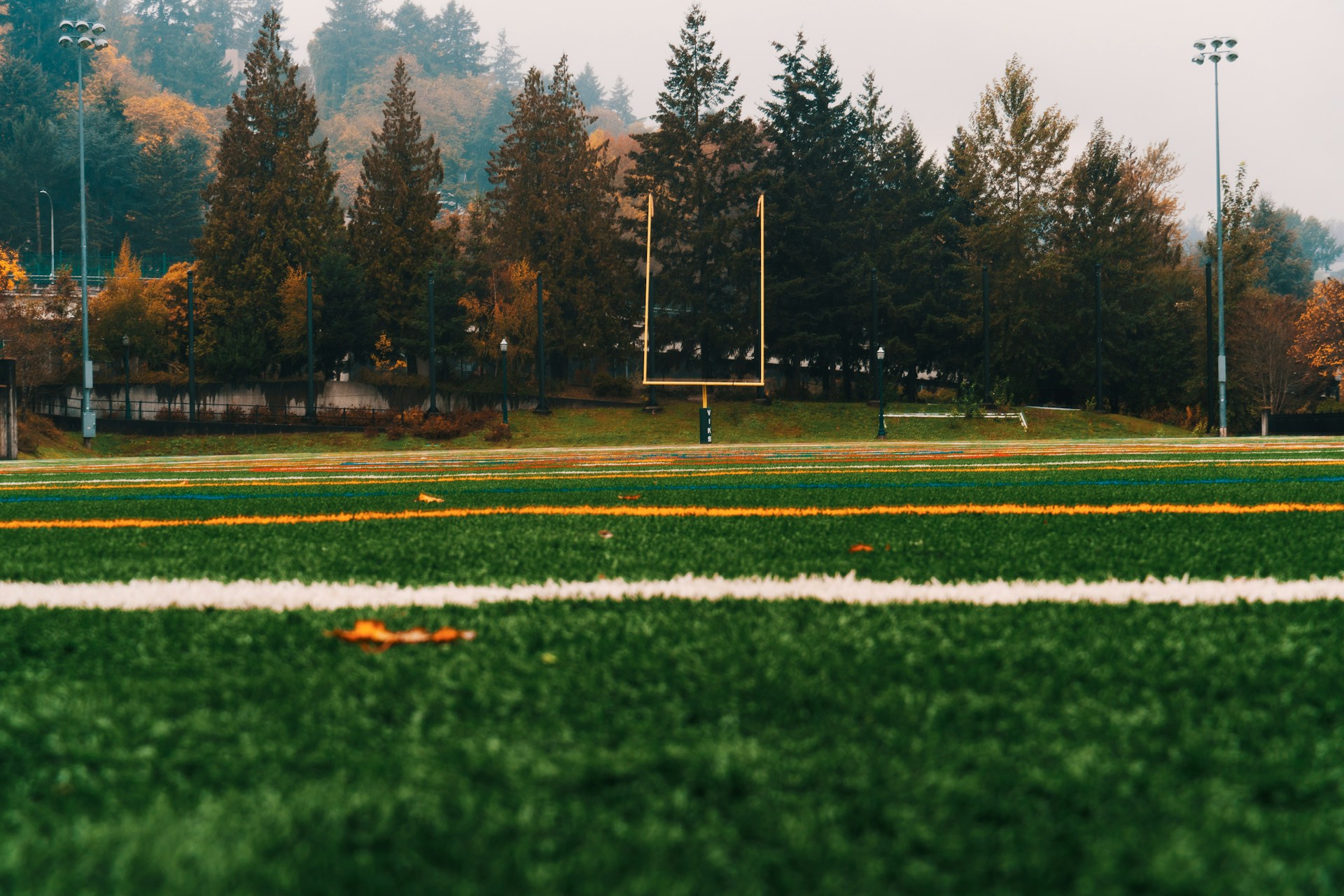
Autumn brings the return of football games, hockey tournaments, school athletics, and community sporting events across Ontario. From cheering on local teams to attending weekend tournaments, fall sports offer opportunities for families and communities to come together.
However, spectators can suffer serious injuries while attending these events. Falls from bleachers, flying sports equipment, crowded walkways, and poorly maintained facilities can turn an enjoyable outing into an unexpected medical emergency.
When someone is injured while watching a sporting event, determining responsibility is not always straightforward. In Ontario, liability may depend on the circumstances of the accident, the responsibilities of event organizers and property occupiers, and whether the injured person knowingly accepted certain risks.
Common Causes of Spectator Injuries at Sporting Events
Spectators may encounter hazards both inside and outside sports facilities. Common causes of injuries include:
- Falls from bleachers: Broken seating, inadequate railings, and uneven stairs.
- Slippery walkways: Spilled beverages, rainwater, wet leaves, and inadequate maintenance.
- Flying equipment: Hockey pucks, baseballs, and other objects entering spectator areas.
- Crowd-related incidents: Congested stairways, pushing, or sudden movements.
- Parking lot accidents: Poor lighting, damaged pavement, and vehicle-pedestrian collisions.
- Defective structures: Unstable temporary seating, damaged barriers, or unsecured equipment.
These incidents may cause fractures and broken bones, spinal injuries, soft tissue damage, or traumatic brain injuries.
Ontario’s Occupiers’ Liability Act and Sporting Venues
Under Ontario’s Occupiers’ Liability Act, property occupiers generally owe a duty to take reasonable care to ensure that people entering their premises are reasonably safe. This includes hazards arising from the condition of the property and activities conducted there, subject to statutory exceptions and lawful restrictions.
An occupier is not necessarily the property’s legal owner. Depending on who controls the premises and activities, occupiers may include municipalities, school boards, sports organizations, or facility operators.
Reasonable precautions may include maintaining seating areas, inspecting stairways, addressing known hazards, and maintaining protective barriers. However, occupiers are not automatically responsible for every accident. Liability depends on the circumstances and whether reasonable care was exercised.
Falls from Bleachers, Grandstands, and Stadium Seating
Bleachers and grandstands are common at school football games, community sports fields, and recreational facilities. They can present hazards when seating is damaged, access routes are poorly maintained, or safety features are inadequate.
An injury involving a fall from elevated seating may raise questions about inspections, maintenance, and structural safety. Loose boards, unstable railings, damaged steps, and inadequate lighting may all be relevant.
Temporary seating can introduce additional considerations, particularly where contractors or equipment suppliers are responsible for installation.
Flying Pucks, Balls, and Other Sports Equipment
Some spectator injuries occur when sports equipment leaves the playing surface and strikes someone watching the event.
Flying objects are foreseeable features of many sports. However, this does not necessarily resolve liability questions. Courts may consider the nature of the sport, the likelihood that equipment will enter spectator areas, and whether reasonable protective measures were in place.
For example, a hockey puck passing through damaged protective netting may raise different liability considerations than a puck entering an area where spectators were clearly warned about the danger.
Can Spectators Be Considered to Have Assumed the Risk?
Ontario’s Occupiers’ Liability Act addresses risks that visitors willingly assume. Where the applicable legal requirements are satisfied, an occupier’s ordinary duty of care may be replaced by a narrower duty not to deliberately create danger or to act with reckless disregard for the visitor’s presence or property.
However, attending a sporting event does not necessarily mean accepting every possible injury. There may be a distinction between ordinary risks associated with watching a sport and hazards arising from allegedly unsafe facilities.
Ticket disclaimers and liability waivers may also affect a claim, although their enforceability depends on factors such as wording, communication, and the circumstances of the accident.
When Poor Maintenance Causes a Spectator Injury
Many spectator accidents occur away from the playing area. Wet arena floors, damaged stairs, uneven sidewalks, and inadequate lighting may contribute to injuries before, during, or after an event.
For example, someone attending a fall football game may trip over an uneven walkway concealed by fallen leaves. Another spectator may slip on water that has accumulated near an arena entrance.
These incidents may raise questions about premises liability and whether reasonable inspections and maintenance were conducted. In slip-and-fall claims, prior complaints, inspection records, warning signs, and the occupier’s knowledge of a hazard may be relevant.
Parking Lot Accidents Before and After Games
Sporting event parking lots can become congested as spectators arrive or depart, particularly during evening events with reduced visibility.
Pedestrian collisions may occur when drivers reverse from parking spaces or navigate crowded access roads. Where a vehicle strikes a spectator, questions involving driver negligence and automobile insurance coverage may arise.
Separately, damaged pavement, inadequate lighting, or other dangerous property conditions may raise unsafe premises liability considerations.
Who May Be Responsible for an Injury at a Sports Event?
Sporting events often involve several organizations with different responsibilities. A municipality may own the facility, while a sports association organizes the event and contractors maintain the premises.
Depending on the circumstances, potentially responsible parties may include:
- Property owners and facility occupiers;
- Sports leagues and event organizers;
- Maintenance and cleaning contractors;
- Equipment manufacturers or suppliers;
- Security companies; and
- Individuals whose negligence contributed to the injury.
Liability may be shared between multiple parties. Ontario’s Negligence Act also allows fault to be apportioned where more than one person’s conduct contributed to the damage.
Evidence, Compensation, and Legal Deadlines
Evidence can be particularly important following an injury at a crowded sporting event. Photographs, witness statements, surveillance recordings, medical records, and incident reports may help establish how an accident occurred. Maintenance logs, inspection records, and contracts between event organizers and facility operators may also be relevant.
Where negligence is established, an injured spectator may be entitled to compensation for applicable losses, including pain and suffering, income loss, rehabilitation expenses, and future care needs.
Ontario’s Limitations Act, 2002 generally establishes a two-year limitation period for commencing personal injury lawsuits, subject to discoverability rules and exceptions. Shorter notice requirements may apply to certain claims involving municipalities, while special provisions can affect claims involving minors.
Injured at a Sporting Event? Contact Tierney Stauffer LLP
An injury at a football game, hockey tournament, school athletic event, or recreational sports facility can result in medical expenses, lost income, and long-term recovery challenges.
At Tierney Stauffer LLP, our personal injury lawyers assist individuals injured in accidents involving unsafe property conditions, slips, trips, and falls, and other forms of negligence. With offices in Ottawa, Kingston, Cornwall, and North Bay, our firm represents injured individuals and families throughout Eastern and Northern Ontario.
Contact Tierney Stauffer LLP online or call 1-888-799-8057 to arrange a free consultation and discuss your legal options.