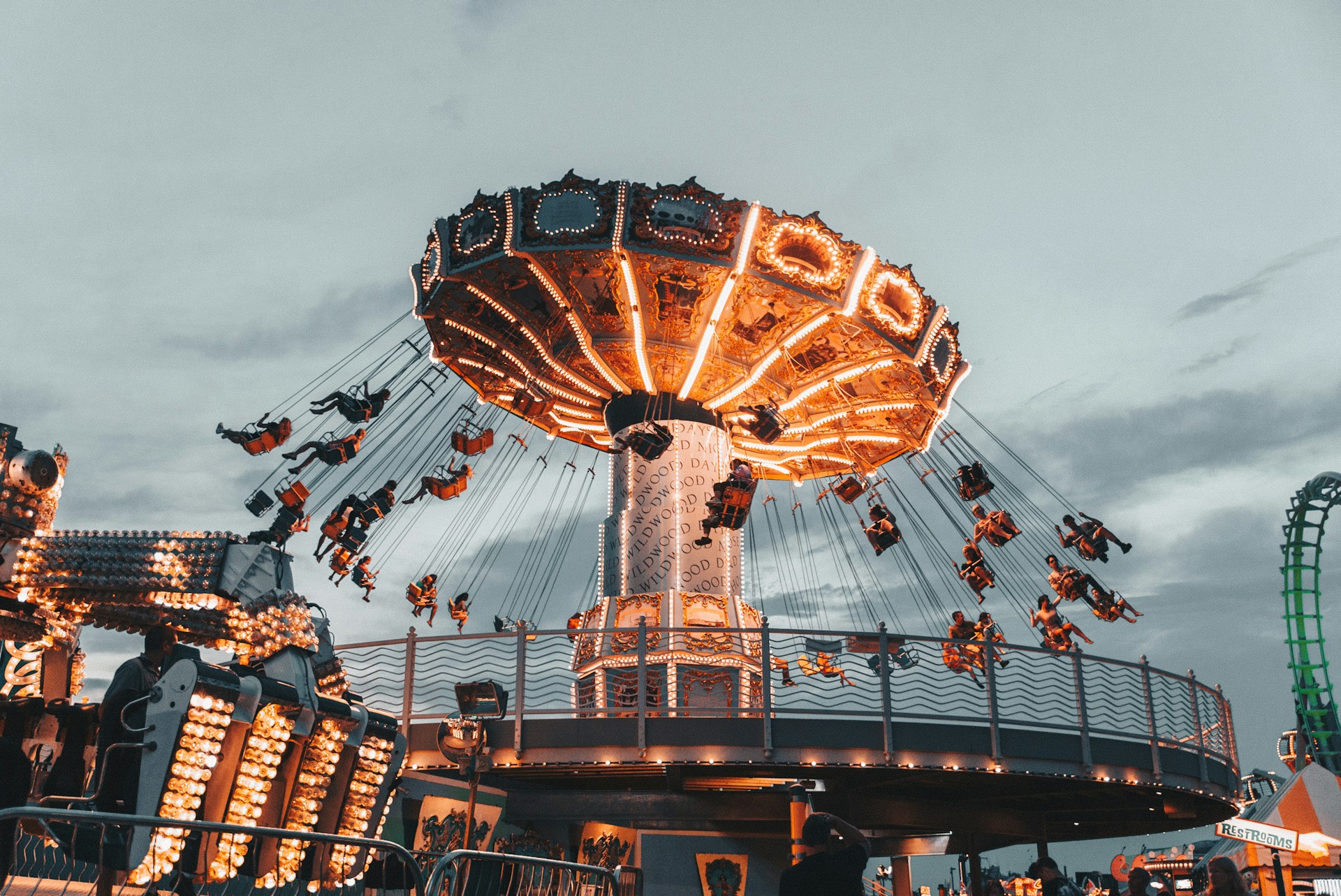
Summer often brings amusement parks, midway rides, travelling carnivals, fairs, festivals, and community events in Ottawa and across Ontario. For many families, these attractions are a seasonal highlight.
However, amusement parks and carnivals can also involve safety risks. Faulty restraints, sudden stops, poor supervision, slippery walkways, inadequate warnings, or crowd control problems may result in serious injuries. When an accident occurs, questions may arise about how it happened and who was responsible.
Summer Attractions Can Carry Serious Risks
Amusement parks and carnivals combine movement, height, speed, machinery, temporary structures, electrical systems, and large crowds. Injuries may occur on rides, in lineups, near food vendors, in parking areas, or around temporary structures.
Accidents may involve roller coasters, spinning rides, inflatables, slides, climbing structures, children’s attractions, games, or falling objects. Injuries can range from bruises and sprains to fractures, concussions and traumatic brain injuries, spinal injuries, psychological trauma, crush injuries, or catastrophic harm. Children may be particularly vulnerable because they depend on adults and operators to assess risks, secure restraints, and provide clear instructions.
Common Causes of Ride-Related Injuries
Ride accidents may involve a number of factors, including:
- Mechanical failure
- Defective equipment
- Improper assembly
- Poor maintenance
- Inadequate inspection
- Operator error
Other concerns may include unclear instructions, inadequate supervision, or a failure to stop a ride when a safety problem arises. Restraints are often central to ride injury claims. Lap bars, harnesses, seatbelts, gates, doors, and locking mechanisms must function properly and be checked before the ride begins.
Many attractions also require riders to follow rules, such as remaining seated, keeping limbs inside the ride, securing loose items, or meeting height and weight requirements. Disputes may arise where instructions were unclear, poorly displayed, or not enforced.
Travelling Carnivals and Temporary Setups
Travelling carnivals present additional considerations because rides are transported, assembled, operated, dismantled, and moved between locations. After an accident, questions may arise about who owned, assembled, inspected, maintained, and operated the attraction. The event organizer, property owner, municipality, or other contractors may also have responsibilities related to the site.
Temporary fairgrounds may include uneven ground, portable fencing, exposed cables, temporary stairs, generators, poor lighting, and crowded walkways. As a result, a personal injury claim may involve both the attraction and the surrounding premises.
Premises Liability at Parks and Fairs
Many amusement park and carnival claims involve occupiers’ liability. In Ontario, occupiers generally have a duty to take reasonable care to keep visitors reasonably safe in the circumstances. An occupier may include a property owner, tenant, amusement park operator, event organizer, municipality, or another party with control over the premises.
Premises-related accidents may involve wet surfaces, uneven pavement, poor lighting, unsafe stairs, broken railings, crowding, falling objects, inadequate barriers, or unsafe entrances and exits. These hazards can cause injuries even where the ride itself operates properly.
Maintenance, Inspection, and Operator Conduct
Amusement rides rely on equipment that must be assembled, maintained, inspected, and monitored. Maintenance records, repair histories, inspection logs, manufacturer guidelines, operator training documents, and prior incident reports may become relevant after an accident.
Questions may arise about whether restraints, motors, hydraulics, electrical components, gates, sensors, or platforms were functioning correctly. Previous complaints or repairs may also be significant.
Operators may be responsible for checking restraints, confirming height requirements, providing instructions, monitoring rider behaviour, stopping rides, and responding to emergencies. Their training, attention, and compliance with safety procedures may be reviewed after an incident.
Injuries Beyond the Ride
Not every amusement park or carnival injury occurs on an attraction. Visitors may be hurt in crowded fairgrounds, washrooms, parking lots, food areas, or while entering and exiting rides.
Common hazards may include:
- Spilled drinks
- Wet walkways
- Cords
- Hoses
- Debris
- Poor drainage
- Uneven ground
- Inadequate lighting
- Collapsing tents
- Loose signs
- Unsecured equipment
- Aggressive crowd behaviour
- Security concerns
- Unsafe alcohol service
Weather conditions and emergency planning may also become relevant, particularly at outdoor or temporary events.
Children and Amusement Park Accidents
Children may be less able to recognize hazards, follow instructions, or communicate discomfort. Child injury claims may involve rides, inflatables, slides, petting zoos, climbing structures, games, or crowded walkways. Important issues may include height and age restrictions, supervision, staff training, signage, equipment condition, seating arrangements, and emergency response.
The effects of an injury may include school absences, therapy, emotional distress, reduced activity, long-term symptoms, or future care requirements.
Waivers, Tickets, and Warnings
Some attractions use tickets, posted warnings, online terms, or waivers that describe risks or attempt to limit liability. The effect of these terms depends on the circumstances, including whether the visitor saw them, whether the wording was clear, and whether the injury related to the risk described.
Warning signs may also be examined. A visible and specific warning may be treated differently from one that is vague, hidden, poorly placed, or difficult to read.
Preserving Evidence After an Accident
Evidence may disappear quickly after a carnival or amusement park injury. Rides may be repaired or moved, temporary hazards may be removed, and surveillance footage may be overwritten.
Relevant evidence may include photographs or videos of the ride, restraint, walkway, warning signs, lighting, surface conditions, and surrounding area. Witness information, incident reports, medical records, tickets, receipts, correspondence, and emergency service records may also be important. Documenting the date, time, attraction name, location, operator, weather conditions, and sequence of events can help clarify what occurred.
Multiple Parties May Be Involved
An injury claim may involve the ride owner, operator, amusement park, travelling carnival company, property owner, municipality, event organizer, maintenance contractor, manufacturer, security provider, or another contractor. The company that sold the ticket may not be the same party that owned the ride, maintained the equipment, hired the operator, or controlled the premises. Contracts, permits, inspection records, insurance documents, and operating agreements may help identify the roles of the parties involved.
The presence of multiple parties does not mean that each is legally responsible. It does, however, make a careful investigation important.
Understanding the Bigger Picture
When an amusement park or carnival accident occurs, the immediate priorities are often medical treatment, family support, and understanding what happened. The legal issues may include the cause of the accident, the condition of the attraction or premises, the safety procedures in place, the actions of staff, and the seriousness of the resulting injuries.
Because these incidents may involve temporary setups, multiple companies, and rapidly changing conditions, timely documentation can be especially important.
Contact Tierney Stauffer LLP for Modern Personal Injury Law Services in Ottawa, North Bay, Cornwall, and Kingston
If you or a loved one was injured at an amusement park, travelling carnival, fair, midway, festival, ride attraction, or summer event in Ontario, Tierney Stauffer LLP can help you understand the claims process and the issues that may apply.
Our knowledgeable personal injury lawyers help injured people and families across Ontario with claims involving amusement park injuries, carnival ride accidents, occupiers’ liability, child injuries, catastrophic injuries, slip and falls, and accidents at public or private recreational spaces. Contact us online or call 1-888-799-8057 to discuss a summer event injury claim.