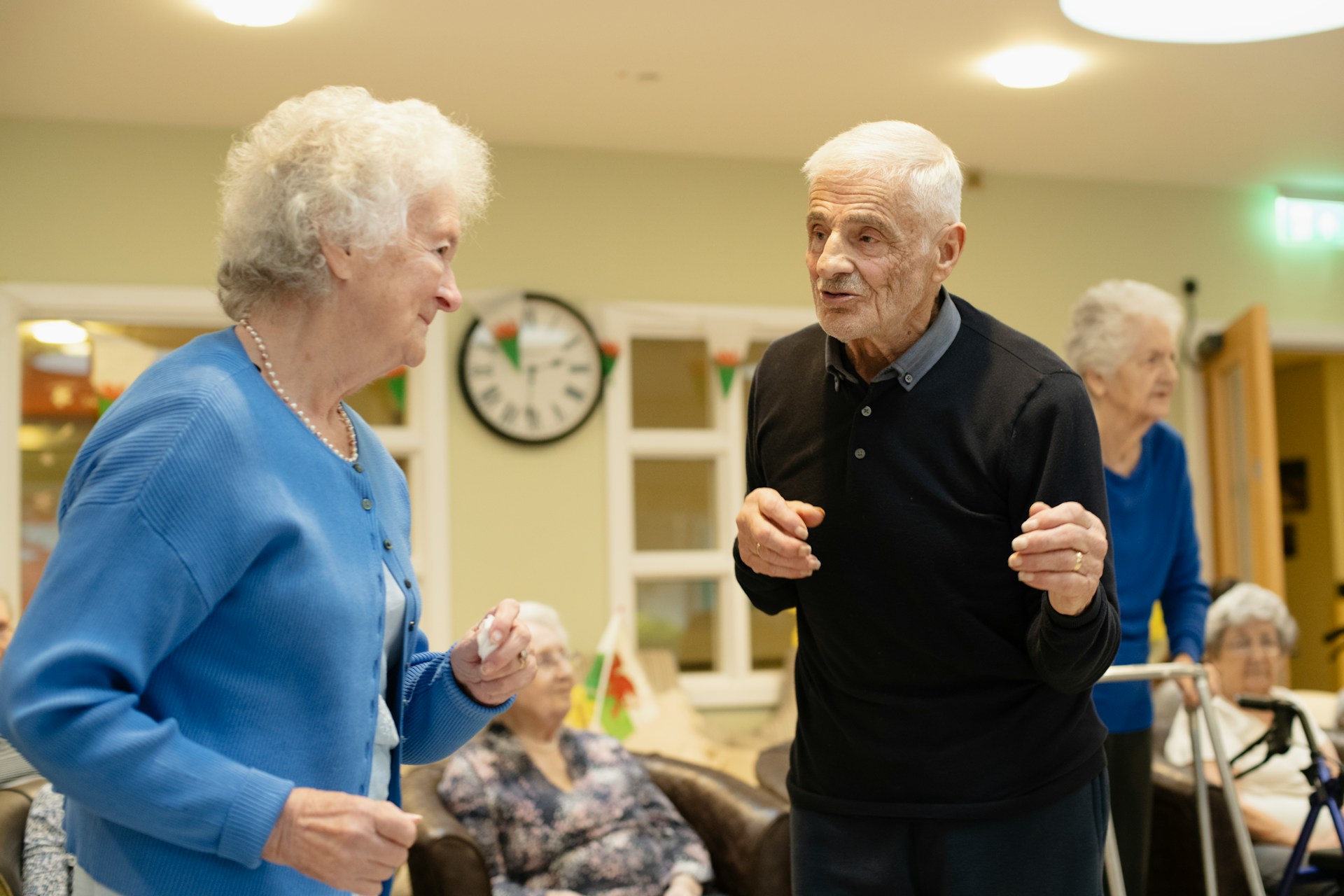
Moving into a retirement residence, nursing home, or assisted-living community is often intended to provide greater comfort, convenience, and security. Residents may rely on shared dining rooms, hallways, elevators, gardens, parking areas, and other common spaces every day.
A fall in one of these areas can have serious consequences. An older adult may suffer a fracture, head or traumatic brain injury, soft-tissue injury, or loss of mobility. The incident may also affect the resident’s independence, confidence, and ability to participate in daily activities.
When a fall occurs, questions may arise about what caused it, who controlled the area, whether reasonable safety measures were in place, and what evidence is available.
Why Falls Can Be Serious for Older Adults
Falls can have a greater effect on older adults due to reduced bone density, mobility limitations, balance difficulties, medication use, and pre-existing health conditions.
An injured resident may require hospitalization, rehabilitation, mobility equipment, personal support, or a higher level of care. A fear of falling again may also cause the resident to avoid common areas, meals, social activities, or independent movement within the residence.
Where Falls May Occur
Common areas may include entranceways, corridors, staircases, elevators, dining rooms, shared washrooms, outdoor walkways, patios, gardens, and parking facilities.
Falls may involve spilled liquids, wet floors, loose mats, cluttered hallways, poor lighting, damaged flooring, uneven pavement, missing handrails, or improperly placed furniture. Outdoor incidents may involve snow, ice, rain, leaves, drainage problems, or inadequate winter maintenance.
Equipment and operational issues may also contribute. An elevator may stop unevenly with the floor, a cord may cross a hallway, or a door may close too quickly for a resident using a walker.
Ontario’s Occupiers’ Liability Framework
Ontario’s Occupiers’ Liability Act generally requires an occupier to take reasonable care in the circumstances to see that people entering the property are reasonably safe. This duty can apply to dangers caused by the condition of the premises and activities carried out there.
An occupier is not necessarily limited to the registered owner. Depending on the circumstances, it may include a person or organization with possession of the property or responsibility and control over its condition, activities, or access.
More than one occupier may be involved. Responsibility for a retirement residence common area could potentially involve the operator, building owner, property manager, maintenance company, or winter-maintenance contractor.
Additional Standards for Retirement Homes
Licensed Ontario retirement homes are also governed by the Retirement Homes Act, 2010 and its regulations. The legislation reflects the principle that retirement homes should be operated as places where residents can live with dignity, security, safety, and comfort.
Ontario Regulation 166/11 requires a retirement home licensee to develop, document, and implement strategies intended to reduce or mitigate the risk of falls in common areas.
The applicable legal framework may depend on the type of property. A licensed retirement home, long-term care home, condominium, apartment building, supportive-housing facility, and other residence may be subject to different requirements.
A Fall Does Not Automatically Establish Liability
The fact that a resident fell does not, by itself, establish that another party is legally responsible. The circumstances must be examined, including whether the condition of the property or the conduct of a responsible party failed to meet the applicable standard.
Relevant questions may include how long the hazard was present, whether staff knew or should have known about it, how often the area was inspected, and whether warnings or barriers were used. The law generally requires reasonable precautions rather than a guarantee that a property will be free from every possible danger.
The Resident’s Needs May Matter
Retirement residences are occupied primarily by older adults, some of whom use walkers, canes, wheelchairs, or other mobility aids. Residents may also have visual impairments, slower reaction times, balance limitations, or cognitive conditions.
These circumstances may affect how a safety measure is assessed. A small floor-height difference may interfere with a walker, while a warning sign may not be effective for a resident with impaired vision.
A pre-existing condition does not necessarily prevent a claim, although medical evidence may be needed to distinguish the effects of the fall from the resident’s previous limitations.
Preserving Evidence After a Fall
Evidence can disappear quickly. A spill may be cleaned, furniture moved, snow melted, or surveillance footage overwritten. Photographs of the location, hazard, surrounding area, footwear, and mobility aid may help preserve information about the scene.
Potentially relevant records may include incident reports, cleaning logs, inspection schedules, maintenance requests, repair records, staff notes, surveillance footage, weather information, and contracts with outside service providers.
Medical records can document the resident’s injuries, treatment, symptoms, and recovery. Records relating to mobility assistance, rehabilitation, transportation, personal care, and changes in living arrangements may also show the impact of the fall.
Falls Involving Snow or Ice
Special notice requirements apply to certain Ontario personal injury claims arising from snow or ice. Under the Occupiers’ Liability Act, written notice generally must be provided within 60 days to an occupier or winter-maintenance contractor. The notice must include the date, time, and location of the incident, although limited exceptions may apply.
This requirement may affect falls in parking areas, entrances, sidewalks, courtyards, and other outdoor common spaces. Different notice rules may apply if municipally controlled property is involved. For falls that occur on municipal property, such as an adjacent municipal sidewalk near the facility’s entrance, there is a strict 10-day written notice window (to the municipality) as per the Municipal Act, 2001.
The notice requirement is separate from the general limitation period for starting a lawsuit. The location and cause of an outdoor fall should therefore be identified as early as possible.
The Broader Impact of a Common-Area Fall
A fall can affect more than the resident’s immediate physical health. It may result in ongoing pain, reduced mobility, diminished independence, or an inability to participate in social and recreational activities.
Additional costs may arise for treatment, rehabilitation, assistive devices, transportation, personal support, or changes to accommodation. Family members may also take on increased caregiving and administrative responsibilities.
A personal injury claim may examine both the immediate and longer-term effects of the incident. The available damages and supporting evidence depend on the resident’s circumstances and the impact of the injury.
Injured in an Ontario Retirement Home? Contact Tierney Stauffer LLP in Ottawa
A fall in a retirement residence, nursing home, assisted-living community, senior apartment building, or supportive-housing common area can significantly affect an older adult’s health and independence. Questions may arise about unsafe flooring, inadequate lighting, missing handrails, winter maintenance, fall-prevention procedures, and the responsibility of property owners, operators, or contractors.
At Tierney Stauffer LLP, our experienced personal injury lawyers assist injured seniors and their families with claims involving falls in retirement homes, senior residences, assisted-living properties, and residential common areas across Ontario. Contact us online or call 1-888-799-8057 to discuss the circumstances of a personal injury matter, including applicable notice requirements, potential responsible parties, and the steps involved in an Ontario occupiers’ liability claim.