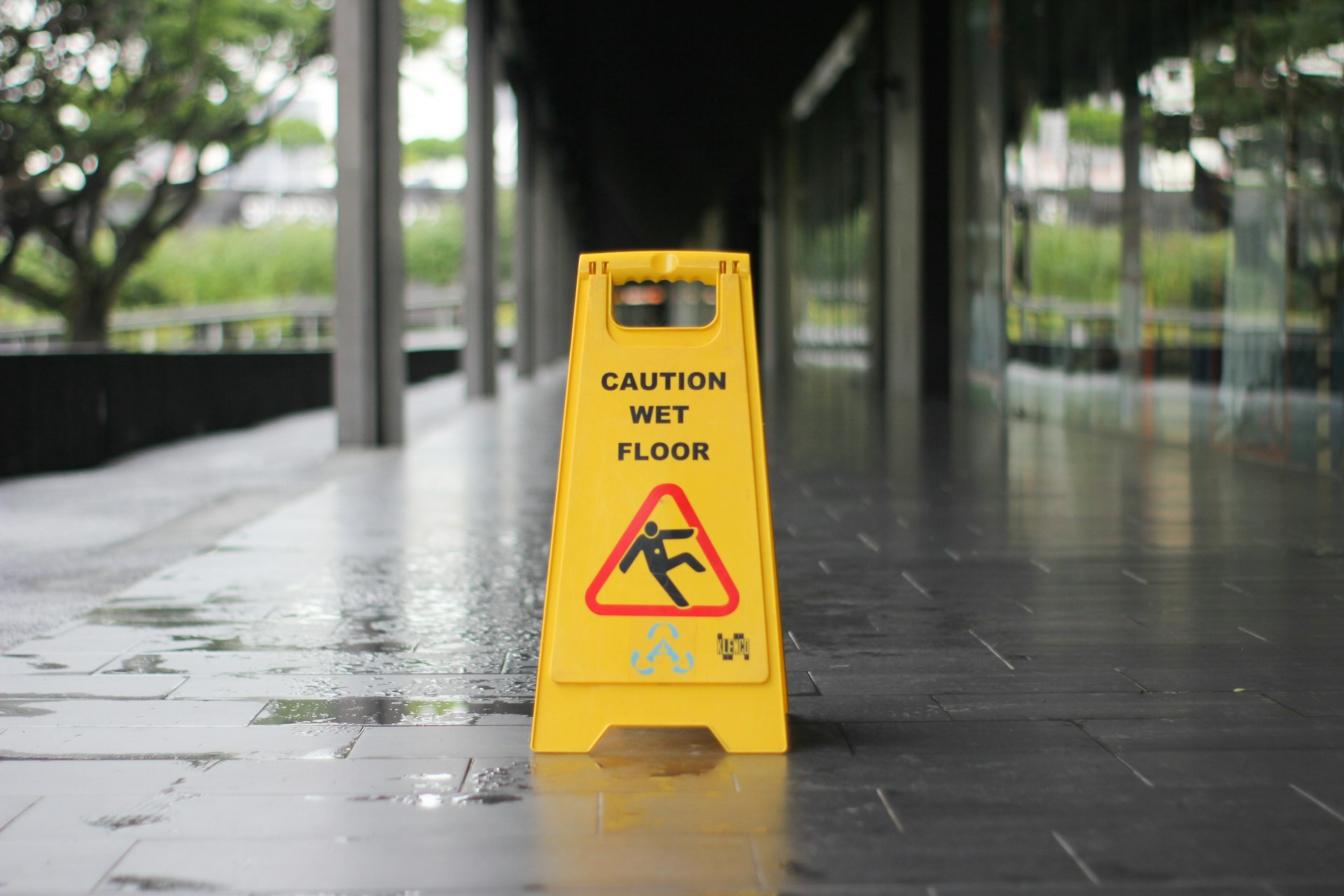
June is Brain Injury Awareness Month, a time to recognize the serious and often life-changing impact of brain injuries. While many people associate traumatic brain injuries with motor vehicle collisions, sports injuries, or workplace accidents, slip and fall incidents are also a common cause of head trauma.
A fall can happen in seconds. A wet grocery store floor, an icy parking lot, a poorly maintained staircase, a loose mat, or inadequate lighting can cause a person to lose their balance and strike their head. In some cases, the result is a visible injury. In others, the most serious effects may not appear until hours or days later.
Traumatic brain injuries are not always obvious. A person may walk away from a fall believing they are shaken but otherwise fine, only to develop headaches, dizziness, confusion, nausea, memory issues, or mood changes later. During Brain Injury Awareness Month, it is important to understand why head injuries after a fall should be taken seriously, especially in Ontario personal injury claims.
Slip and Fall Accidents Can Cause Serious Head Trauma
Slip and fall accidents can occur in many everyday settings, including retail stores, restaurants, apartment buildings, office towers, sidewalks, parking lots, recreational facilities, and private residences. In Ontario, winter weather can also increase the risk of falls caused by snow, ice, slush, and poorly maintained walkways.
When a person falls, they may be unable to protect their head before impact. This is especially true when the fall happens suddenly or when a person falls backward. A direct blow to the head can cause a concussion, skull fracture, brain bleed, or more severe traumatic brain injury. Even where the head does not strike the ground, the force of the fall can cause the brain to move within the skull.
Older adults may face heightened risks from falls because of balance issues, mobility concerns, medications, or underlying medical conditions. However, brain injuries can affect people of any age. A fall that appears minor at first may still result in symptoms that interfere with work, school, caregiving, driving, and daily routines.
Why “Mild” Brain Injuries Are Not Always Minor
Many fall-related brain injuries are described as concussions or mild traumatic brain injuries. The word “mild” refers to the initial classification of the injury, not necessarily the severity of its consequences. For some people, symptoms resolve within a relatively short period. For others, symptoms can persist for months or longer.
A person with a concussion may experience headaches, light sensitivity, sound sensitivity, nausea, dizziness, balance problems, fatigue, blurred vision, memory difficulties, concentration problems, irritability, anxiety, depression, or sleep disruption. These symptoms can fluctuate, making the injury difficult for others to understand.
Because concussion symptoms are often invisible, injured people may feel pressure to return to work, resume caregiving responsibilities, or continue daily activities before they have fully recovered. This can create additional challenges, particularly when symptoms worsen with mental exertion, screen time, physical activity, or stress.
Delayed Symptoms After a Fall
One of the most important things to understand about brain injuries is that symptoms do not always appear immediately. After a slip and fall accident, adrenaline, shock, embarrassment, or concern about other injuries may make it difficult to recognize the signs of a head injury right away.
Symptoms may develop later that day, the following morning, or several days after the incident. A person may begin to notice persistent headaches, difficulty focusing, confusion, dizziness, unusual fatigue, mood changes, or problems remembering conversations. Family members, friends, or co-workers may observe changes before the injured person fully recognizes them.
Delayed symptoms can complicate personal injury claims because insurers may question whether the brain injury is connected to the fall. Medical documentation, timely reporting, and careful tracking of symptoms can become important parts of understanding how the injury developed and how it affects the person’s life.
Common Fall Hazards in Ontario Premises
Slip and fall accidents can happen for many reasons. Common hazards include wet floors, recently mopped surfaces, spills, uneven flooring, torn carpets, loose mats, broken steps, missing handrails, poor lighting, icy walkways, uncleared snow, hidden changes in elevation, and cluttered walking areas.
In commercial spaces, property owners and occupiers may be expected to have reasonable inspection and maintenance systems in place. This may include checking floors, responding to spills, clearing snow and ice, placing warning signs where appropriate, and repairing known hazards within a reasonable time.
In residential buildings, common areas such as entrances, lobbies, stairwells, hallways, parking lots, and outdoor walkways can also present risks. A fall in these spaces may raise questions about inspection practices, maintenance records, lighting, cleaning schedules, snow removal procedures, and prior complaints.
Brain Injuries Can Affect Every Part of Daily Life
A brain injury can affect far more than physical comfort. Many people with post-concussion symptoms or traumatic brain injuries struggle with cognitive, emotional, and functional changes that alter their daily routines.
A person may have difficulty reading, using a computer, following conversations, managing appointments, remembering tasks, or staying organized. They may become exhausted more quickly than before. Work that once felt routine may become overwhelming. Social situations may feel draining because of noise, light, or the effort required to follow discussions.
Brain injuries can also affect family life. A parent may have difficulty managing childcare, household responsibilities, or emotional regulation. A spouse or partner may need to take on additional caregiving duties. In more serious cases, the injured person may require rehabilitation, attendant care, home modifications, assistive devices, or long-term support.
Proving a Brain Injury After a Slip and Fall
Brain injury claims can be complex because diagnostic imaging does not always show the full extent of the injury. A CT scan or MRI may appear normal even when a person continues to experience significant concussion symptoms. This can make clinical assessments, medical follow-up, and symptom documentation especially important.
Evidence in a slip and fall brain injury claim may include emergency room records, family doctor notes, specialist reports, rehabilitation records, neuropsychological assessments, occupational therapy reports, witness statements, photographs of the hazard, surveillance footage, incident reports, maintenance logs, and evidence from family members or co-workers about changes after the fall.
The impact of the injury is often assessed by looking at how symptoms affect the injured person’s daily life. This may include their ability to work, drive, care for children, manage household tasks, participate in social activities, and maintain independence.
Ontario Slip and Fall Claims May Involve Short Deadlines
In Ontario, slip and fall claims can involve strict timelines. Many personal injury claims are subject to a general limitation period, but some fall-related cases may require much earlier written notice. For example, falls involving snow or ice may involve notice requirements that arise well before a lawsuit is commenced. Falls on municipal property may also involve short notice periods.
These timelines can be particularly difficult when a person is dealing with a brain injury. Cognitive symptoms, fatigue, headaches, memory issues, and emotional distress may make it harder to gather information, contact witnesses, preserve evidence, or understand what steps need to be taken.
Because evidence can disappear quickly after a fall, timing matters. Snow and ice can melt, spills can be cleaned, mats can be moved, lighting can be repaired, and surveillance footage can be overwritten. Early documentation may help clarify what happened and how the injury occurred.
Medical Care and Rehabilitation After a Fall
Anyone who strikes their head or develops symptoms after a fall should seek appropriate medical attention. Brain injuries can require assessment by emergency physicians, family doctors, neurologists, physiatrists, neuropsychologists, occupational therapists, physiotherapists, vestibular therapists, speech-language pathologists, or other rehabilitation providers.
Treatment may focus on symptom management, balance and vestibular therapy, cognitive rehabilitation, gradual return to activity, workplace accommodations, sleep strategies, headache management, and mental health support. Recovery can vary significantly from person to person.
For some individuals, rehabilitation is short-term. For others, the process is longer and may involve ongoing treatment, reduced work capacity, or changes to daily living. The legal and insurance issues surrounding these losses may depend on the nature of the fall, the location of the incident, the available evidence, and the severity of the injury.
Brain Injury Awareness Month Highlights an Overlooked Risk
Brain Injury Awareness Month is an opportunity to recognize that not all serious injuries are immediately visible. A person who suffers a concussion or traumatic brain injury after a fall may look physically well but still experience symptoms that disrupt every part of life.
Slip and fall accidents are sometimes minimized as minor incidents. However, a fall can cause serious head trauma, especially when the person strikes their head on a hard surface such as concrete, tile, pavement, stairs, or ice. The consequences may include pain, cognitive changes, emotional difficulties, lost income, rehabilitation needs, and long-term uncertainty.
Greater awareness can help injured people, families, property occupiers, and communities better understand the risks associated with falls. Recognizing symptoms early, seeking medical care, documenting changes, and preserving evidence can all play an important role after a suspected brain injury.
Contact Tierney Stauffer LLP for Top-Tier Representation in Ontario Traumatic Brain Injury (TBI) Claims
If you or a loved one suffered a brain injury after a slip and fall accident in Ontario, contact Tierney Stauffer LLP to discuss your situation. Our experienced personal injury lawyers assist clients with slip and fall claims, concussion claims, traumatic brain injury claims, and premises liability matters involving unsafe property conditions.
To learn more about your legal options after a fall-related brain injury, contact us online or call 1-888-799-8057. We proudly serve clients in Ottawa, Cornwall, Kingston, North Bay, and all surrounding areas.