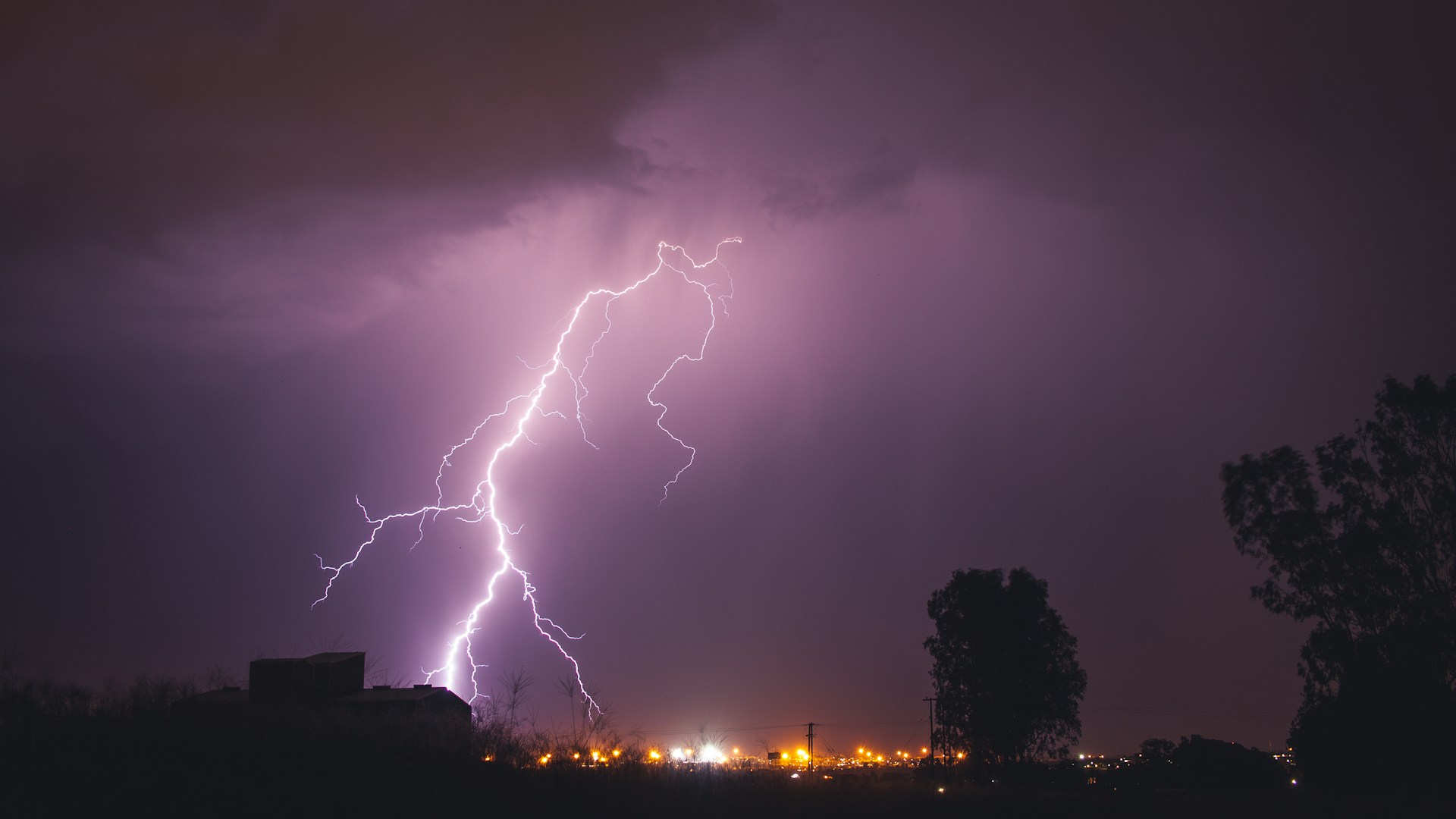
Ottawa residents had several reminders this summer of how quickly severe weather can cause widespread property damage. Heavy rainfall, flooding, damaging winds, fallen trees, power outages, and roof damage can all create significant losses for homeowners, businesses, landlords, tenants, and insurers.
The Canada Day storm was particularly severe. Ottawa recorded 118 millimetres of rain on July 1, including 99 millimetres in fewer than four hours at the Ottawa International Airport weather station. The storm caused extensive flooding and power outages, and Ottawa’s mayor described it as one of the city’s worst flooding events in 25 years. Only weeks later, another powerful storm brought winds exceeding 100 km/h. The City received more than 500 service requests involving fallen trees and branches, while homes and hydro infrastructure sustained damage and thousands of customers lost power.
These events also illustrate an important reality about storm-related losses: determining what happened is often only the beginning. Property owners and insurers may also need to determine whether the damage is covered, which policy provisions apply, how different causes of loss interact, and who may ultimately bear responsibility.
Flooding Can Raise Complicated Coverage Questions
Not all water damage is treated the same way under an insurance policy. Water may enter a property because of heavy rainfall, surface flooding, sewer backup, groundwater, damaged roofing, failed drainage systems, or a combination of several events.
Coverage may therefore depend on the precise source of the water and the wording of the applicable policy. Some policies may contain specific endorsements relating to sewer backup or overland water, while others may contain exclusions or limitations affecting certain types of flooding.
The distinction can become especially significant during an extreme rainfall event. Ottawa’s Canada Day storm produced substantial flooding across the city, affecting homes, public facilities, infrastructure, and power systems. Where multiple sources contribute to a loss, questions may arise regarding causation and which provisions of the policy respond.
Wind, Roof Damage, and Water Intrusion
Flooding does not necessarily begin at ground level. Severe winds can damage shingles, roofing panels, windows, siding, and other parts of a building envelope, allowing rainwater to enter a property.
Following Ottawa’s August storm, one homeowner reported that approximately half of the shingles on the roof were lifted away, and a roofing panel was torn off. Water then entered through the attic and travelled through the house toward the basement.
Losses of this kind may involve questions about both the initial physical damage and the resulting water damage. Insurers may examine how the loss occurred, whether deterioration or pre-existing conditions contributed to it, what repairs are required, and whether different portions of the loss fall within different areas of coverage.
When a Neighbour’s Tree Falls on a Property
Windstorms can also create disputes involving trees. Ottawa’s August storm uprooted and damaged numerous trees, with some falling onto neighbouring homes, vehicles, hydro lines, and other property.
One Ottawa homeowner whose basement had already suffered water damage during the Canada Day flooding subsequently had a large tree from a neighbouring property fall onto her roof during the August windstorm. The tree had reportedly been weakened, and the neighbours had already applied for a permit to remove it before the storm occurred.
Situations involving neighbouring trees can raise separate questions about insurance coverage and civil liability. The fact that a tree originated on one property does not necessarily determine responsibility for the resulting damage. Issues such as the tree’s condition, what the owner knew or reasonably could have known, previous inspections or complaints, and the severity of the weather event may all become relevant.
Power Outages Can Make Storm Damage Worse
A storm can continue causing losses even after the rain or wind subsides. Extended electricity outages can affect sump pumps, refrigeration, heating and cooling systems, security systems, and other equipment.
After the August storm, thousands of Ottawa customers lost electricity. One resident reported relying on a generator to operate sump pumps and prevent water from entering the basement while the power remained out. The Canada Day storm also caused major outages, with approximately 41,000 customers reportedly without power at one point.
Where an outage contributes to additional damage, an insurance claim may require consideration of both the original storm event and what occurred afterward. The wording of the policy, the sequence of events, the availability of backup systems, and the nature of the resulting loss can all affect the coverage analysis.
The Importance of Documenting a Storm Loss
Storm claims often involve large amounts of factual information. Photographs, videos, repair estimates, invoices, weather information, communications with contractors, and records showing when damage was discovered may later become important when assessing a claim.
Emergency work may also be necessary before the full extent of the damage can be determined. Fallen trees may need to be removed, damaged roofs may require temporary protection, and water may need to be extracted quickly to limit further deterioration.
Insurance policies commonly contain provisions requiring insured parties to take reasonable steps following a loss and to cooperate with the insurer’s investigation. At the same time, disputes can arise about whether particular emergency expenses, temporary repairs, remediation costs, or replacement costs fall within coverage.
Valuation Can Become a Separate Source of Disagreement
Even where the existence of coverage is not disputed, the value of the loss may be. Storm damage can involve contractors, engineers, arborists, restoration companies, electricians, roofers, and other professionals. Different assessments may produce different conclusions regarding the extent of damage, whether an item can be repaired or must be replaced, and the cost required to restore the property.
Insurance policies may also distinguish between concepts such as actual cash value and replacement cost. Deductibles, policy limits, depreciation, endorsements, and limits applicable to particular categories of property may further affect the amount payable.
Businesses May Face Losses Beyond Physical Repairs
Severe weather can affect commercial operations as well as buildings. Flooded premises, extended power outages, blocked roads, damaged equipment, and temporary closures may prevent a business from operating normally.
Commercial insurance claims may therefore involve both physical property damage and financial losses associated with interrupted operations. Depending on the policy, issues may arise regarding business interruption coverage, extra expenses, waiting periods, limits of insurance, and the period during which losses are covered.
These claims can become particularly complex when a business remains physically intact but cannot operate because utilities, neighbouring properties, access routes, or other infrastructure have been affected.
When Storm Claims Become Insurance Disputes
Many insurance claims are resolved through the ordinary adjustment process. Others develop into disputes about coverage, causation, exclusions, the scope of repairs, valuation, deductibles, or the insurer’s interpretation of the policy.
A significant weather event can also produce claims involving several parties. Insurers, property owners, neighbouring landowners, municipalities, contractors, property managers, and other organizations may potentially become involved depending on how the loss occurred.
Storm-related litigation is therefore rarely about the weather alone. It often requires a detailed examination of the policy language, physical evidence, chronology of the loss, expert assessments, and the conduct of the parties before and after the event.
Ottawa’s Summer Storms Highlight the Importance of Policy Wording
The storms that struck Ottawa this summer demonstrate how one weather event can produce many different types of loss. A single storm may cause flooding in one neighbourhood, roof damage in another, fallen trees elsewhere, and lengthy power outages across a broader area.
Insurance coverage is similarly fact-specific. Two properties damaged by the same storm may face very different coverage issues because the source of the damage, policy wording, endorsements, exclusions, deductibles, and surrounding circumstances are different.
As severe weather events continue to generate substantial property losses, understanding exactly how damage occurred and how the applicable insurance policy addresses that loss remains central to resolving insurance claims and related civil disputes.
Tierney Stauffer LLP: Ottawa Civil Litigation Lawyers Advising Clients in Property Damage-Related Insurance Disputes
Storm damage, flooding, property loss, and disputed insurance claims can involve complicated questions about coverage, causation, valuation, policy exclusions, and liability. Tierney Stauffer LLP represents clients in Ottawa, Cornwall, Kingston, North Bay, and throughout Ontario in insurance disputes and civil litigation involving residential and commercial property losses, flooding, water damage, wind damage, fallen trees, and other storm-related claims.
If you are involved in an insurance dispute, property damage claim, or flooding claim, contact us online or call 1-888-799-8057 to discuss your options with a member of our civil litigation team.