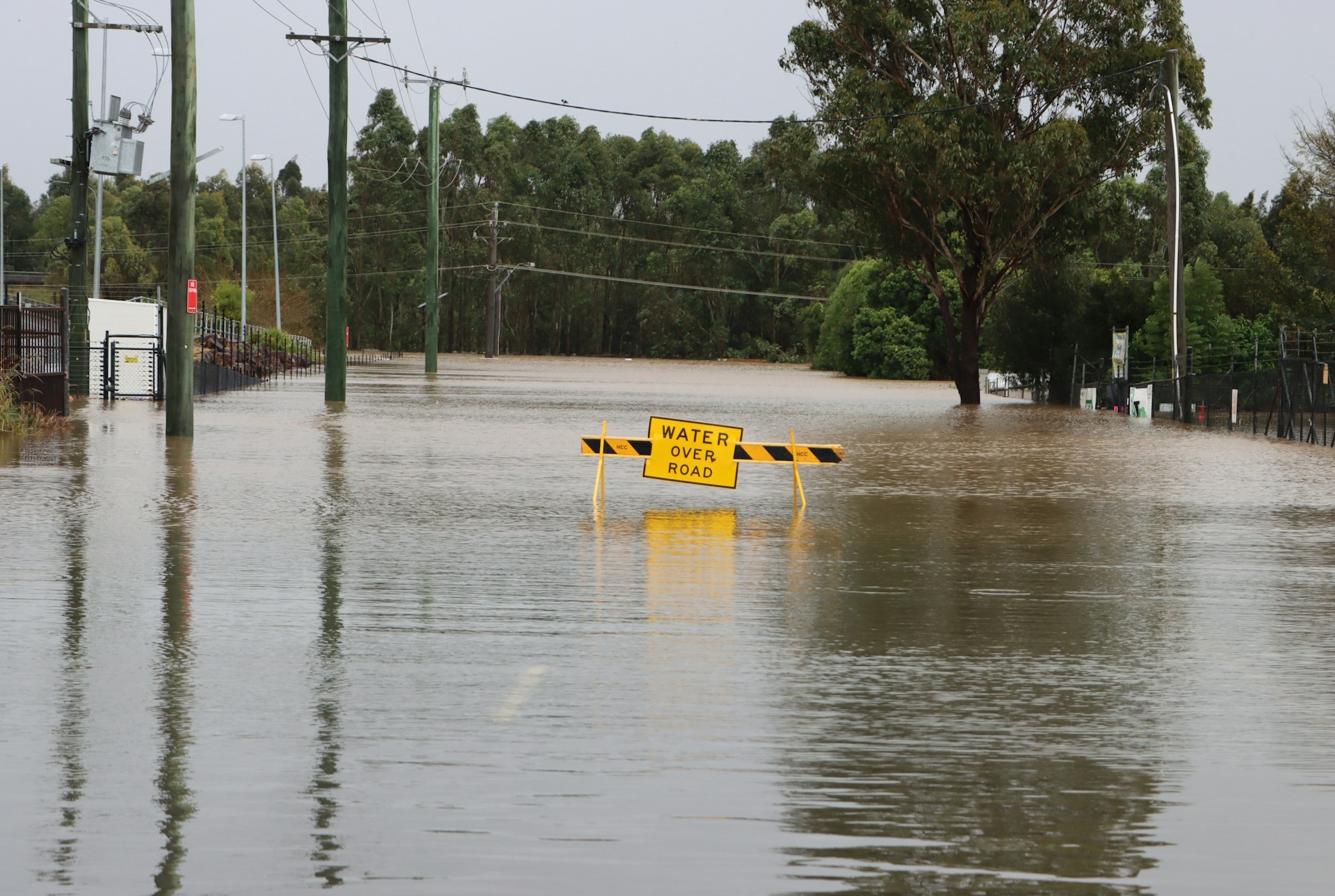
As communities across Ontario grapple with the immediate aftermath of spring flooding, the question many homeowners are urgently asking is not simply how to protect their property, but what comes next. The 2026 spring flood season has already proven to be one of the most significant in recent memory.
In mid-April, the Township of Minden Hills, located on the bank of Gull Lake approximately 220 kilometres northeast of Toronto, declared a state of emergency after rising waters forced the closure of two downtown bridges over the Gull River and compelled the community to fill more than 25,000 sandbags in an effort to hold back the surge. An evacuation site was opened at the local community centre for displaced residents. Shortly thereafter, the Township of Nipissing, situated about 300 kilometres north of Toronto on the south side of the Nipissing River, also declared a state of emergency as rising waters caused the closure of multiple roads throughout the area.
According to a flood bulletin issued by the North Bay-Mattawa Conservation Authority, the flooding across northeastern Ontario has been dramatically accelerated by a combination of heavy rainfall and rapidly melting snow. Precipitation levels in the region reached 200 percent above the April average, a staggering statistic that helps explain not only the speed at which water levels rose, but also the scale of the damage being reported.
These events are not occurring in isolation. Across the country, from Manitoba’s Peguis First Nation to Quebec’s Outaouais region, spring 2026 has brought an alarming wave of flood-related emergencies. But for Ontario homeowners who have watched the water rise in their basements, creep across their floors, or swallow their yards, the immediate concern is intensely personal: will their insurance cover the damage, and what do they need to do right now to protect their legal and financial interests?
Does My Home Insurance Cover Flood Damage in Ontario?
This is, without question, the most common question property lawyers and insurance professionals hear in the wake of flooding events, and the answer is more nuanced than most homeowners expect. Standard home insurance policies in Ontario have historically excluded coverage for overland flooding (water that enters a home from the surface, such as from rivers, lakes, or overflowing storm drains), though many insurers now offer overland flood coverage as an optional endorsement or add-on. If you purchased this endorsement, you may be covered for the type of surface flooding that has been so prevalent this spring.
Sewer backup coverage is a separate endorsement that protects against water entering your home through drains or toilets, a common and devastating secondary effect of major flooding events when municipal systems become overwhelmed. Basement flooding caused by this mechanism is typically not covered under a standard policy without this add-on. It is critically important that Ontario homeowners review the specific language of their insurance contracts, because coverage can vary significantly between providers and even between policy versions issued by the same insurer.
What is generally covered under standard home insurance is sudden and accidental water damage from internal sources, such as a burst pipe or an appliance malfunction. However, flooding from external natural events (the type Ontario communities are experiencing right now) falls into a legally distinct category. If you are uncertain what your policy covers, consulting with a property and insurance lawyer before speaking further with your insurer can be a strategically important first step.
What Should I Do Immediately After My Home Is Flooded?
The actions you take in the hours and days following a flood can have a significant impact on the outcome of your insurance claim. First and foremost, document everything before you begin any cleanup or remediation work. Take photographs and videos of all affected areas, including structural elements, personal property, appliances, and any visible water lines on walls. This visual evidence is often the most compelling documentation you can present to an insurance adjuster, and failing to capture it before cleanup begins is one of the most common and costly mistakes homeowners make.
Contact your insurance company as promptly as possible to report the loss and open a claim. Most policies require you to notify your insurer within a reasonable time frame, and delays can sometimes be used by insurers as grounds to complicate or deny a claim. When you do make contact, provide factual information about what occurred and the extent of the damage, but be thoughtful about the statements you make, particularly regarding the cause of the water entry. Characterizing the source of the flooding incorrectly can inadvertently affect which coverage provisions apply to your claim.
You are also entitled (and in fact obligated underproperty most policies) to take reasonable steps to prevent further damage to your property. This may include removing standing water, placing tarps, or arranging for emergency drying services. Keep all receipts for any emergency expenses you incur, as many policies include coverage for reasonable mitigation costs. However, do not make permanent repairs or discard damaged materials until an adjuster has had the opportunity to inspect your home, unless doing so is necessary to prevent a safety hazard.
What If My Insurance Claim Is Denied or Undervalued?
Insurance claim denials and undervalued settlements are unfortunately not uncommon following major flood events, particularly when large numbers of claims are filed simultaneously and insurers are managing significant financial exposure. A denial may be based on a policy exclusion, a dispute about the cause of the water damage, allegations that the damage resulted from a lack of maintenance, or a disagreement about whether an optional coverage endorsement applies to the circumstances of your loss. Whatever the stated reason, a denial is not necessarily the final word.
Ontario homeowners have the right to dispute a denied or disputed claim through several avenues. You may request an internal review by your insurer, escalate the matter to the Financial Services Regulatory Authority of Ontario (FSRA), or pursue resolution through the General Insurance OmbudService (GIO), which provides an independent dispute resolution process for consumers. In cases involving significant loss, engaging a lawyer experienced in insurance disputes can substantially improve your ability to present a compelling case and negotiate an appropriate settlement.
It is also worth being aware that Ontario law provides certain protections for policyholders in the context of insurance claims. The Insurance Act governs the relationship between insurers and insured parties in Ontario, and there are established legal standards regarding how quickly insurers must respond to claims, how they must communicate coverage decisions, and what obligations they have in the claims adjustment process. An experienced insurance litigation lawyer can assess whether your insurer has met its obligations under the Act and advise you on the remedies available to you if it has not.
Are There Any Government Assistance Programs Available to Flood Victims in Ontario?
Yes, and Ontario homeowners should be aware of these programs in addition to pursuing insurance claims. The Disaster Recovery Assistance for Ontarians (DRAO) is a provincial program designed to provide financial assistance to individuals, small businesses, and municipal governments affected by natural disasters, including floods, when losses are uninsurable or exceed coverage. DRAO assistance is typically activated by the provincial government in response to specific declared disasters and is not automatically available; as a result, it is worth monitoring whether activation has been authorized for your community.
At the federal level, the Disaster Financial Assistance Arrangements (DFAA) program may provide additional support for provinces responding to large-scale disasters. In practice, federal assistance flows through the provincial government and is ultimately distributed to affected individuals and businesses according to provincial guidelines. Applications for disaster relief typically require documentation of losses, evidence of uninsured or underinsured status, and compliance with specified deadlines; all areas where legal guidance can be valuable.
Municipal programs may also be available depending on your specific community. Some Ontario municipalities have established local relief funds or emergency financial assistance programs in the wake of flooding events. Your local municipal office or emergency management coordinator is the appropriate point of contact for information about community-specific programs. A lawyer familiar with property and municipal law in your region can also help you navigate the intersection of insurance coverage, provincial relief programs, and municipal assistance to maximize the support available to you.
What If My Property Was Damaged by a Neighbour’s or Municipality’s Actions?
Not all flood-related property damage is caused purely by natural forces. In some cases, water intrusion or flooding may be caused or worsened by the actions (or failures) of a neighbouring property owner or a municipality. For example, if a neighbour altered drainage on their property in a way that redirected water onto yours, or if a municipality failed to maintain storm sewers or drainage infrastructure adequately, you may have a legal claim against that party in addition to, or as an alternative to, an insurance claim.
Claims against municipalities in Ontario are subject to specific procedural requirements, including strict notice periods under the Municipal Act. For many types of claims, written notice must be provided to the municipality within a relatively short window after the damage occurs; often just 10 days. Missing this notice requirement can be fatal to an otherwise valid claim. This is one of the most time-sensitive legal issues that can arise following a flood, and it is a compelling reason to consult with a lawyer as soon as possible if you believe municipal negligence may have contributed to your losses.
Neighbour disputes over water damage can take various legal forms, including claims in nuisance, negligence, or under the doctrine of riparian rights, which governs the rights of landowners with respect to water flowing through or adjacent to their properties. These claims can be complex and fact-specific, requiring careful analysis of drainage patterns, land use history, and the applicable standard of care. If you believe another party may be responsible for contributing to your flood damage, a consultation with a property lawyer is the most effective way to understand your options.
Contact Tierney Stauffer LLP for Trusted Advice in Flood Insurance Issues in Ottawa, Cornwall, Kingston, and North Bay
After your property suffers flooding, it can be challenging to know what steps to take. Whether your insurance claim has been denied, you’ve received an offer that doesn’t reflect your actual losses, or you’re simply unsure where to start, the dynamic litigation lawyers at Tierney Stauffer LLP are here to help. We represent homeowners across Ontario in insurance disputes, property damage claims, and municipal negligence actions. To schedule a confidential consultation, please contact us online or call 1-888-799-8057.