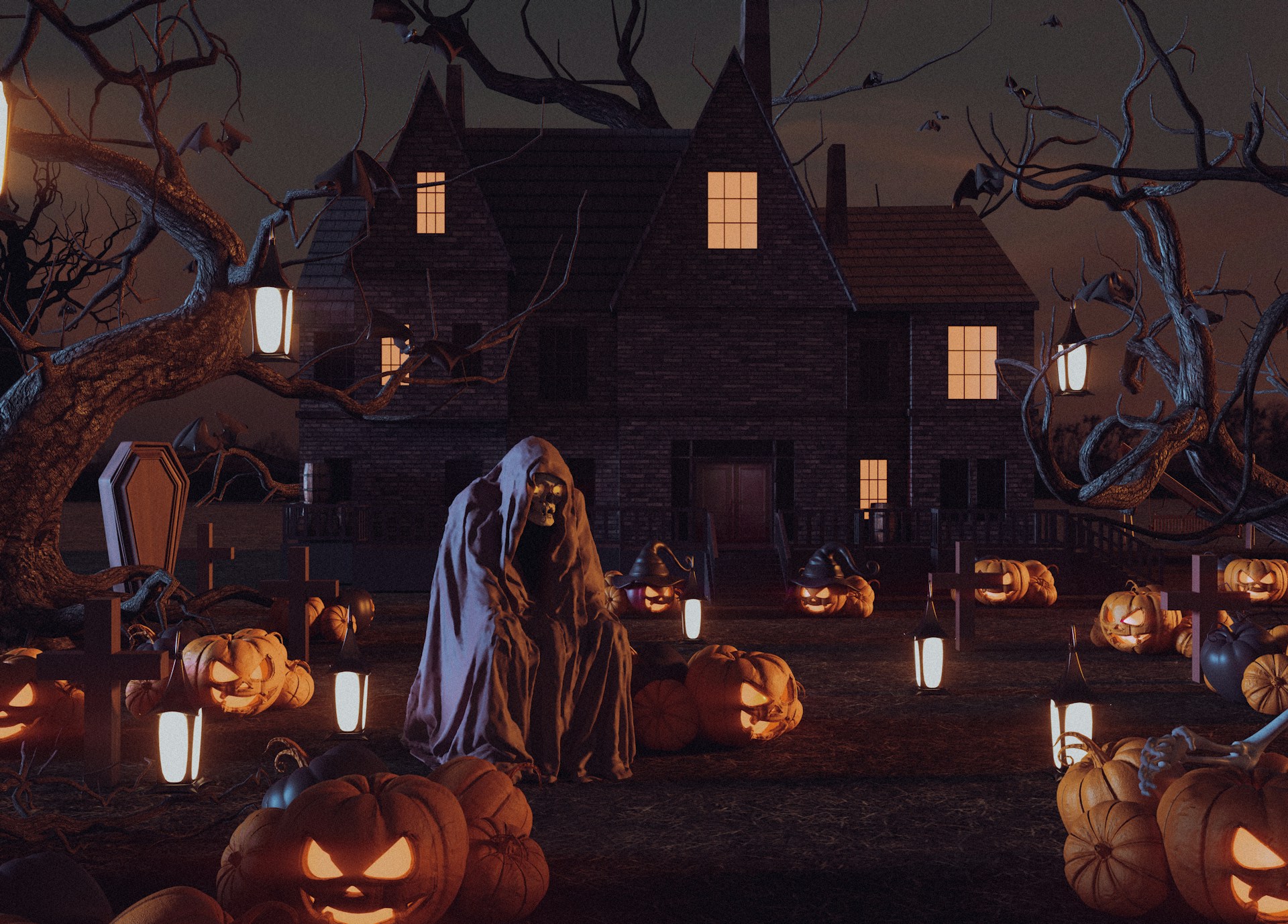
Every autumn, haunted houses, corn mazes, and other Halloween attractions draw visitors looking for seasonal entertainment and a few good scares. From elaborate haunted trails to interactive horror experiences, these attractions are designed to surprise, disorient, and occasionally frighten participants. However, when an evening of Halloween fun results in a serious injury, questions about responsibility can quickly arise.
Unlike conventional entertainment venues, haunted attractions often incorporate dim lighting, uneven terrain, unexpected obstacles, and performers who deliberately startle guests. While these features contribute to the experience, they can also create circumstances in which accidents occur.
In Ontario, injuries sustained at haunted houses, corn mazes, and other seasonal attractions may raise questions about negligence, property maintenance, assumption of risk, and an operator’s duty of care. Understanding how these legal principles interact can help clarify when an accident may give rise to a personal injury claim.
Common Injuries and Hazards at Halloween Attractions
Haunted attractions frequently combine physical obstacles with environments intended to confuse or frighten guests. Although some hazards are obvious parts of the experience, others may arise from inadequate maintenance, improper supervision, or unsafe conditions.
Common causes of injury at haunted houses and corn mazes include:
- Trips and falls: Uneven flooring, exposed cables, tree roots, poorly maintained pathways, and concealed obstacles.
- Inadequate lighting: Dark corridors and outdoor trails that make it difficult to identify changes in elevation or potential hazards.
- Crowding and collisions: Congested passages, sudden stops, or visitors running away from frightening displays.
- Unsafe props and equipment: Falling decorations, unstable structures, malfunctioning animatronics, or unsecured equipment.
- Interactions with performers: Physical contact, unexpected movements, or staged scares that cause visitors to fall or collide with objects.
- Weather-related conditions: Wet leaves, mud, slippery wooden walkways, and other hazards at outdoor attractions.
These incidents may result in sprains, fractures and broken bones, soft tissue injuries, or more serious consequences. In some circumstances, a fall or collision may cause a traumatic brain injury with lasting physical and cognitive effects.
Ontario’s Occupiers’ Liability Act and Halloween Attractions
Under Ontario’s Occupiers’ Liability Act, property occupiers generally have a legal duty to take reasonable care to ensure that people entering their premises are reasonably safe. This obligation applies to hazards arising from both the condition of the property and activities conducted on it, subject to statutory exceptions and lawful restrictions on the duty.
An occupier is not necessarily the property’s legal owner. The legislation also applies to individuals or organizations with responsibility for and control over the premises, the activities conducted there, or the people permitted to enter. Depending on the attraction’s operating arrangements, multiple parties may qualify as occupiers.
For haunted houses and corn mazes, these obligations may involve maintaining reasonably safe walkways, inspecting temporary structures, addressing foreseeable hazards, and providing appropriate warnings. However, the law does not require occupiers to guarantee that every visitor will remain injury-free. Whether reasonable care was exercised depends on the circumstances surrounding the accident.
Does the Nature of a Haunted Attraction Change the Duty of Care?
Unlike a typical retail store or restaurant, a haunted attraction is specifically designed to create an atmosphere of uncertainty and surprise. Visitors generally anticipate darkness, unexpected noises, frightening performers, and unusual surroundings.
These characteristics may be relevant when determining what precautions were reasonable in the circumstances. For example, visitors entering a haunted house may reasonably expect reduced lighting. However, the anticipated darkness does not automatically eliminate an operator’s responsibility to address dangerous conditions.
A distinction may arise between an ordinary feature of the attraction and an unreasonable hazard. Being startled by a costumed performer is generally an expected part of the experience. Falling through an inadequately secured floor panel, however, may involve different liability considerations.
Can Visitors Assume the Risk of Being Injured?
One issue in personal injury claims involving Halloween attractions is whether an injured visitor willingly accepted the risks associated with participating.
Section 4 of Ontario’s Occupiers’ Liability Act addresses risks willingly assumed by visitors. Where this provision applies, the occupier’s ordinary duty of reasonable care is replaced by a narrower obligation not to deliberately create danger or act with reckless disregard for the visitor’s presence or property.
However, choosing to participate in an activity involving foreseeable hazards does not necessarily establish that a visitor willingly accepted every possible risk, including those arising from negligence. Courts distinguish between awareness of ordinary dangers and the legal requirements for establishing voluntary assumption of risk. The circumstances of the attraction, the visitor’s understanding of the activity, the nature of the alleged hazard, and any relevant agreements may all affect the legal analysis.
Do Liability Waivers Prevent Personal Injury Claims?
Some haunted houses and interactive horror attractions require visitors to sign liability waivers before participating. Others include warnings or disclaimers on tickets, booking websites, or signs near the entrance.
These documents may attempt to restrict or exclude an operator’s liability for certain injuries. Ontario’s Occupiers’ Liability Act permits occupiers to restrict, modify, or exclude aspects of their duty of care, subject to applicable legal requirements.
However, the existence of a waiver does not automatically determine whether an injured visitor can pursue compensation. Questions may arise about whether the waiver was properly communicated, whether its language clearly addresses the circumstances of the accident, and whether it is legally enforceable.
Injured Minors
Additional considerations may apply where the injured person is a minor, particularly when a parent or guardian has signed a waiver on the child’s behalf. The legal effect of these documents depends on the circumstances.
Injuries Involving Children and Family-Friendly Attractions
Many corn mazes, pumpkin patches, and Halloween events cater specifically to families with young children. These attractions may include playgrounds, hayrides, inflatable equipment, and interactive activities alongside more traditional haunted experiences.
Children may have greater difficulty identifying hazards or understanding the potential consequences of certain activities. Their age, abilities, and behaviour may therefore be relevant when assessing reasonable precautions and the foreseeability of an injury.
For example, an attraction that encourages children to run through a maze may raise different safety considerations than one intended exclusively for adults. Similarly, equipment accessible to young visitors may require precautions appropriate to the ages and activities involved. Where a child is injured, additional procedural considerations may arise concerning how a personal injury claim is commenced and managed on the child’s behalf.
Who May Be Liable When an Accident Happens?
Determining responsibility for an injury at a seasonal attraction can involve several parties. In addition to the property owner, possible defendants may include event organizers, attraction operators, maintenance companies, or contractors responsible for specific activities.
An accident involving a defective prop or malfunctioning piece of equipment may also raise questions about product liability, depending on the nature of the defect and the parties involved.
Ontario’s negligence principles also recognize contributory negligence. If an injured visitor’s conduct contributed to the accident, responsibility may be apportioned between the parties. For example, entering a clearly restricted area or disregarding visible safety instructions may be relevant when assessing the circumstances. Ultimately, liability depends on the available evidence, the duties owed by each party, and whether a breach of those duties contributed to the injury.
What Evidence Matters After an Injury at a Haunted Attraction?
Personal injury claims involving seasonal attractions may present distinct evidentiary challenges. Many haunted houses and corn mazes operate for only a few weeks each year, and temporary installations may be dismantled shortly after Halloween.
Evidence that may be relevant includes photographs of the accident location, tickets and waivers, witness statements, incident reports, medical documentation, surveillance recordings, and maintenance or inspection records.
The attraction’s operating procedures may also be important. Information concerning employee training, emergency response protocols, prior complaints, lighting arrangements, and equipment inspections can help establish the conditions present when an accident occurred. Because temporary decorations, props, and structures can be removed quickly, evidence preservation may become particularly significant in these claims.
Compensation and Limitation Periods in Ontario
Depending on the circumstances, individuals injured at Halloween attractions may be able to pursue compensation for losses associated with another party’s negligence. Potential damages may include pain and suffering, income loss, rehabilitation expenses, future care costs, and other applicable financial losses.
Ontario’s Limitations Act, 2002 generally establishes a two-year limitation period for commencing many personal injury lawsuits, calculated from when the claim was discovered. However, exceptions and different procedural requirements may apply depending on the circumstances, including claims involving minors or public authorities.
An injury at a haunted house, corn maze, or Halloween attraction does not automatically establish negligence. Each claim requires consideration of the risks involved, the conduct of the parties, the applicable legal duties, and the connection between any alleged negligence and the resulting harm.
Injured at a Halloween Attraction? Contact Tierney Stauffer LLP in Ottawa
At Tierney Stauffer LLP, our personal injury lawyers assist clients throughout Ottawa, Kingston, Cornwall, North Bay, and surrounding Ontario communities with claims involving premises liability, slip and fall accidents, and injuries caused by unsafe property conditions.
Our team can review the circumstances of an accident, explain potential legal options, and assist with pursuing compensation where appropriate. Contact us online or call 1-888-799-8057 to arrange a confidential consultation.