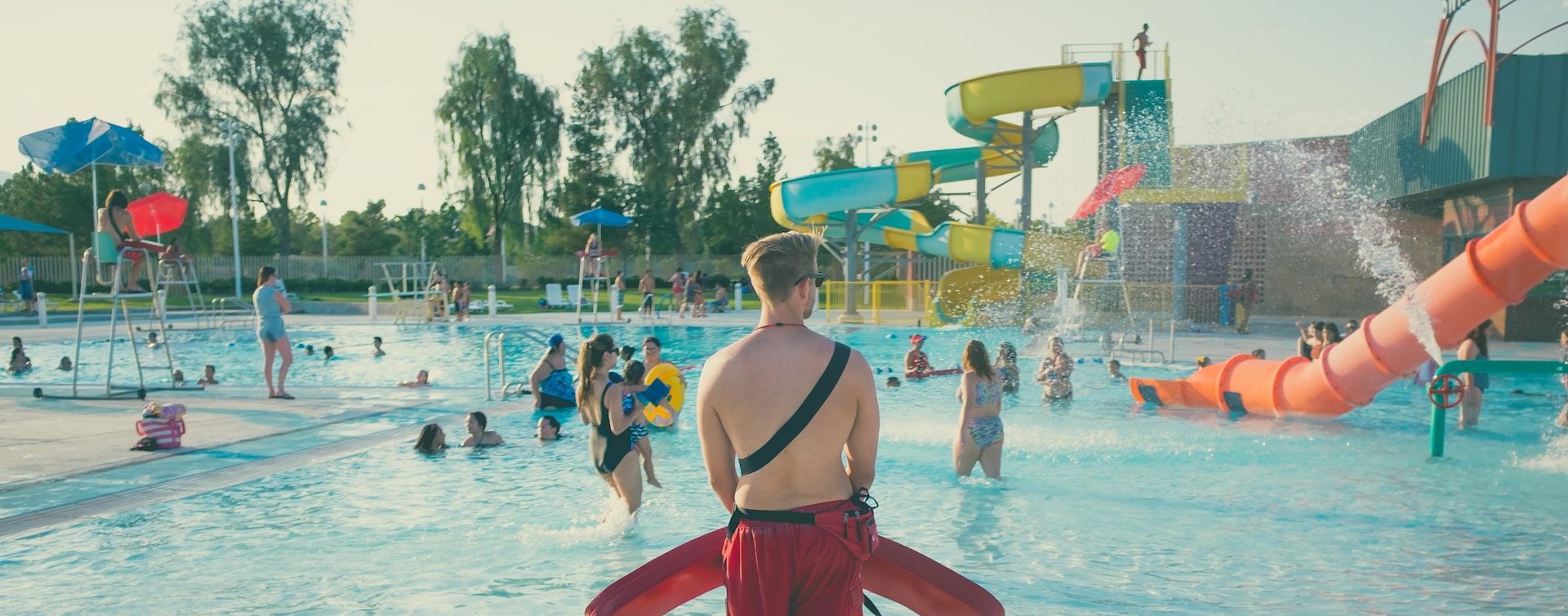
Ontario summers bring families, tourists, and local communities to public beaches, splash pads, swimming areas, water parks, municipal pools, and waterfront attractions. While these spaces are associated with recreation and relaxation, they can also present injury risks when safety issues are overlooked.
A slippery surface, broken grate, poorly maintained structure, overcrowded swimming area, unsafe dock, hidden drop-off, or lack of supervision can turn a summer outing into a serious incident. For injured people and their families, questions may arise about what happened, who controlled the area, and whether the injury could have been prevented.
Public Beaches and Waterfront Injury Risks
Public beaches can involve natural and human-made hazards. Uneven sand, submerged rocks, broken glass, sudden changes in water depth, unsafe docks, poorly marked swimming zones, and inadequate signage may all contribute to injuries.
Beach areas may be managed by municipalities, conservation authorities, provincial bodies, private operators, or several organizations. Responsibility can become complex where parking lots, trails, docks, change rooms, concession areas, and swimming zones are maintained by different parties.
Beach injuries may include fractures, head or spinal injuries, lacerations, near-drowning injuries, and soft tissue injuries. Incidents may occur in the water or on surrounding boardwalks, washrooms, playgrounds, stairs, ramps, and parking lots.
Splash Pads Are Not Risk-Free
Splash pads are popular with families because they often appear safer than pools. Many contain little or no standing water, allowing children to run through sprays, fountains, and interactive features. However, they can still present hazards.
Common concerns include slippery surfaces, inadequate drainage, loose grates, exposed edges, broken water features, poor visibility, and overcrowding. Younger children may be especially vulnerable because they may run, fall, collide with others, or fail to notice changes in surface texture.
Public health guidance often focuses on cleanliness, secure grates and covers, water visibility, and closing facilities when contamination or safety concerns arise. Niagara Region’s guidelines, for example, state that splash pad areas should be clean and free from obstacles that may cause injury, illness, or death.
Water Parks and Higher-Risk Attractions
Water parks may involve faster-moving and more structured activities than beaches or splash pads. Waterslides, wave pools, lazy rivers, climbing features, and crowded pool decks can create several risks at once.
Potential hazards include poor crowd control, unsafe slide procedures, inadequate lifeguard coverage, slippery walkways, malfunctioning equipment, insufficient warnings, and delayed emergency responses. Injuries may also arise when visitors are not given clear instructions about height limits, rider positioning, swimming ability, health restrictions, or supervision expectations.
Depending on the circumstances, responsibility may involve the owner, operator, maintenance contractor, equipment supplier, event organizer, municipality, or another party connected to the attraction.
The Role of Occupiers’ Liability in Ontario
Many claims involving beaches, splash pads, and water parks are considered under Ontario’s Occupiers’ Liability Act. The legislation generally requires an occupier to take reasonable care, in all the circumstances, to ensure that people entering the premises are reasonably safe.
The duty may apply to dangers caused by the condition of the property or by activities carried on there. An occupier is not necessarily limited to the legal owner. It may include a person or organization with control over the premises, responsibility for maintenance, or authority over activities occurring there.
Questions may therefore arise about who controlled the beach, inspected the splash pad, operated the water park, maintained the equipment, or responded to known hazards.
Public Pool and Water Quality Rules
Some water-related facilities are also subject to public health requirements. Ontario’s public pool regulation addresses matters such as water quality, contamination, visibility, chemical treatment, and operational standards.
These rules may be relevant where an injury or illness is connected to water clarity, chemical balance, contamination, drainage, sanitation, or visibility. Maintenance records, water testing, closure decisions, and cleaning practices may help show how the facility was being operated at the time.
Not every beach, splash pad, pool, or water park feature is treated the same way. The nature of the facility and the operator’s obligations may need to be assessed based on the circumstances.
Common Water-Related Injuries
Slip-and-fall accidents are common on wet, uneven, or poorly maintained surfaces. Injuries may include sprains, fractures, concussions, back injuries, and shoulder injuries.
More serious incidents may involve diving injuries, spinal trauma, drowning or near-drowning, traumatic brain injuries, or impacts with equipment, submerged objects, hard surfaces, or other visitors. Children may face additional risks because of their size, developing coordination, and dependence on adult supervision.
Illnesses can also arise from contaminated water or inadequate sanitation. These incidents may raise questions about water testing, maintenance records, closure decisions, and communication with the public.
Children and Summer Water Injuries
Many water-related facilities are designed primarily for children, which can affect how safety concerns are assessed. Young visitors may not recognize hazards, understand warnings, or be able to protect themselves.
Questions may arise about whether the facility was designed and maintained with children in mind, whether warnings were visible and understandable, whether surfaces were appropriate, and whether dangerous areas were blocked off. Staff supervision and responses to unsafe behaviour or visible hazards may also be relevant.
Child injury claims can involve the long-term impact of an injury, future care needs, school disruption, emotional effects, and the role of a litigation guardian.
Natural Conditions and Human-Made Hazards
Public beaches differ from pools and structured water parks because they involve changing natural conditions. Waves, currents, algae, rocks, sand, water levels, and weather may all affect safety. Not every natural hazard will result in liability.
Different questions may arise when a hazard was hidden, recurring, known, poorly marked, or worsened by human activity or inadequate maintenance. A broken stairway, damaged dock, missing warning sign, unsafe washroom floor, or poorly maintained boardwalk may be assessed differently from a naturally uneven shoreline.
These claims often depend on how the area was used, what the occupier knew or should have known, and what steps were taken to reduce or communicate the risk.
Preserving Evidence After an Injury
Evidence can be particularly important after an accident at a public beach, splash pad, or water park because conditions may change quickly. Wet surfaces dry, equipment is repaired, signs are moved, water is treated, and seasonal staff change shifts.
Relevant information may include:
- Photographs or videos of the hazard
- Incident reports
- Witness contact information
- Lifeguard or staff involvement
- Maintenance and inspection records
- Signage and surveillance footage
- Weather conditions
- Medical records
- Communications with the facility operator
Where a municipality or public authority is involved, additional procedural issues may arise, including notice requirements and limitation periods. The applicable timelines will depend on the location, type of claim, and parties involved.
Summer Recreation, Safety, and Accountability
Public beaches, splash pads, and water parks give Ontario families, residents, and visitors places to cool off and enjoy the summer. These facilities also require ongoing attention to maintenance, supervision, signage, water quality, and hazard response.
When an injury occurs, the central questions often concern what caused the incident, who controlled the area, what safety measures were in place, and whether reasonable care was taken. The answers will depend on the facility, the hazard, the parties involved, and the available evidence.
Injured at an Ontario Beach, Splash Pad, or Water Park? Contact Tierney Stauffer LLP
If you or a loved one was injured at a public beach, splash pad, water park, municipal pool, waterfront attraction, or summer recreation facility in Ontario, Tierney Stauffer LLP can help you understand the claims process and the issues that may apply. Our compassionate personal injury lawyers assist injured people and families across Ontario with personal injury claims involving occupiers’ liability, slip and falls, water-related injuries, child injuries, catastrophic injuries, and accidents at public or private recreational spaces.
Tierney Stauffer LLP proudly serves clients in Ottawa, Kingston, Cornwall, North Bay, and across Ontario. Contact us online or call 1-888-799-8057 to discuss how we can help with your summer injury claim.