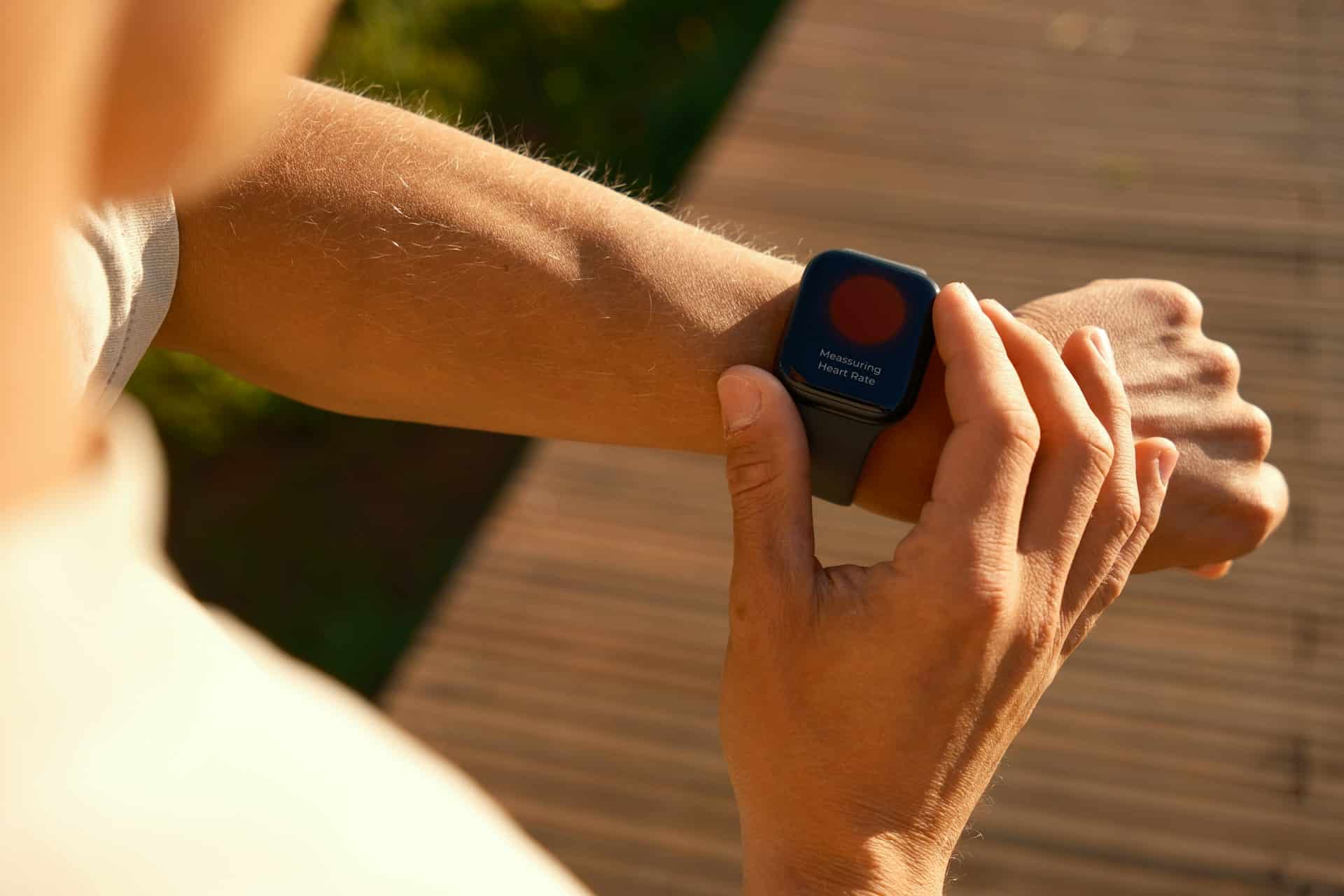
The modern personal injury claim is no longer built solely on witness testimony, accident reports, and medical records. Increasingly, digital data generated by everyday technology is playing a central role in how injuries are proven, challenged, and valued. Once viewed as simply lifestyle accessories, smart devices and wearable technology are now emerging as powerful sources of evidence in Ontario personal injury litigation.
Fitness trackers, smartwatches, smartphones, vehicle telematics, and home monitoring systems collect vast quantities of personal data. When an accident occurs, this data may provide objective insight into what happened, how an injury affected the claimant’s daily life, and whether claimed limitations are consistent over time. For injured individuals, this can be both an opportunity and a risk. Used properly, wearable data can corroborate injury claims. Used improperly, it can undermine credibility and damage a case.
The Rise of Digital Evidence in Personal Injury Claims
Personal injury law has always relied heavily on evidence that captures a claimant’s physical condition before and after an accident. Traditionally, this evidence took the form of medical charts, expert reports, employment records, and testimony from family members or co-workers. While those forms of proof remain central, courts are increasingly open to considering digital evidence that provides real-time, longitudinal insight into a person’s functional capacity.
Smart devices offer something traditional evidence often cannot: continuous, passive data collection. Rather than a snapshot taken during a medical appointment, wearables can show patterns over days, weeks, or months. Step counts, heart rate variability, sleep disruption, GPS movement, and activity duration may all become relevant in assessing injury severity and recovery.
As courts adapt to a more technologically integrated society, this type of evidence is no longer novel. Canadian courts now accept digital records such as cellphone location data, vehicle data recorders, and online communications. Wearable data is a logical extension of this trend.
Common Types of Smart Devices and Wearables Used as Evidence
Not all smart devices generate the same type of information, and not all data is equally valuable for a personal injury claim. The evidentiary value depends on the nature of the device, the reliability of the data, and the extent to which the data relate to the issues in dispute.
Fitness Trackers and Smartwatches
Fitness trackers and smartwatches are among the most common sources of wearable evidence. These devices often track steps, distance travelled, heart rate, sleep patterns, and activity levels. In an injury claim involving chronic pain, reduced mobility, or fatigue, this data may help demonstrate a measurable decline in activity following an accident.
Smartphones
Smartphones can also be a rich source of evidence. Location tracking, app usage, motion sensors, and call or message logs may all become relevant. For example, GPS data may help establish whether a claimant was able to travel independently after an injury or whether they experienced prolonged periods of immobility consistent with pain or impairment.
Vehicle Technology
Vehicle-based technologies, including event data recorders and telematics systems, can provide objective information on speed, braking, and impact force in motor vehicle accidents. While this data is more commonly associated with liability issues, it may also influence the assessment of injury causation and severity.
Smart Home Devices
Home-based smart devices, such as security cameras, door sensors, or voice-activated assistants, may also become evidence in some instances. These devices can capture movement patterns, falls, or changes in daily routines that support (or contradict) injury claims.
How Wearable Data Can Support a Personal Injury Claim
When used strategically, data from smart devices can strengthen a personal injury claim by corroborating subjective complaints with objective metrics. This is particularly valuable in cases involving injuries that are difficult to measure through imaging or clinical tests alone.
Chronic pain, post-concussive symptoms, and soft tissue injuries often rely heavily on self-reported symptoms. Defence insurers frequently challenge these claims as exaggerated or inconsistent. Wearable data may help bridge this evidentiary gap by showing reduced physical activity, disrupted sleep, or prolonged recovery timelines following an accident.
For example, a claimant who previously averaged 10,000 steps per day but dropped to 3,000 steps per day for months after an accident may be able to demonstrate a significant functional decline. Similarly, sleep-tracking data showing persistent sleep disturbance may support claims of ongoing pain or psychological distress.
Wearable data may also assist medical experts in forming opinions about impairment and prognosis. When reviewed alongside clinical findings, digital data can provide context and continuity that enhances the credibility of expert evidence.
Risks and Limitations of Wearable Evidence
Despite its potential value, wearable data is not inherently favourable to claimants. In fact, it can be a double-edged sword. Data that appears inconsistent with a claimant’s reported limitations may be seized upon by insurers to challenge credibility.
For example, step counts or activity logs may show periods of higher activity that are taken out of context. A claimant may push through pain on certain days, only to experience increased symptoms afterward. Without proper explanation, raw data may be misinterpreted as evidence of recovery or exaggeration.
Wearable data also lacks nuance. It cannot explain pain levels, emotional distress, or the effort required to complete an activity. A step count does not reveal whether walking caused significant discomfort or required frequent rest breaks. Courts and insurers may place undue weight on quantitative metrics without appreciating their limitations.
Accuracy is another concern. Consumer-grade devices are not medical instruments, and their data may be affected by calibration issues, user error, or software updates. Defence counsel may challenge the reliability of wearable data, particularly if it is not supported by expert interpretation.
Admissibility of Wearable Data in Court
For wearable data to be admissible in a personal injury case, it must meet basic evidentiary requirements. Like any other evidence, it must be relevant, authentic, and reliable. The court must be satisfied that the data accurately reflects what it purports to show.
Authentication typically involves establishing that the device belonged to the claimant, was used consistently, and recorded data automatically rather than through manual input. This may require testimony from the claimant and, in some cases, expert evidence explaining how the device functions.
Reliability may be addressed through expert testimony or judicial notice of the general accuracy of widely used devices. While courts may be cautious about over-reliance on consumer technology, they are increasingly comfortable admitting such evidence when its limitations are acknowledged.
Privacy considerations may also arise, particularly when data is obtained through disclosure requests or surveillance. Courts must balance the probative value of the evidence against potential prejudice or intrusion into personal privacy.
Disclosure Obligations and Privacy Concerns
In personal injury claims, parties have broad disclosure obligations. If wearable data is relevant to the issues in dispute, it may be subject to production. Claimants should assume that insurers may request access to digital records that reflect physical activity, location, or daily functioning.
However, disclosure is not unlimited. Courts have recognized that fishing expeditions into a claimant’s digital life are inappropriate. Requests for wearable data must be proportionate and connected to specific issues in the case.
Privacy legislation may also intersect with disclosure obligations, particularly where data includes sensitive personal information. Careful handling of digital evidence is essential to protect both legal interests and personal privacy.
The Role of Wearable Data in LTD Insurance Surveillance
Wearable data increasingly complements traditional insurance surveillance, particularly in long-term disability (LTD) matters. While insurers have long relied on video surveillance to monitor claimants’ activities, digital data provides a more continuous and less visible form of observation.
Insurers may compare wearable data with surveillance footage, social media posts, and witness testimony to identify perceived inconsistencies. Even minor discrepancies can be exaggerated to suggest dishonesty.
Claimants should understand that their own devices may be used against them if data is accessed or disclosed. This does not mean claimants should stop using technology altogether, but it does underscore the importance of consistency and transparency in how injuries and limitations are described.
The Future of Digital Evidence in Personal Injury Law
As technology continues to evolve, the role of smart devices and wearables in personal injury litigation is likely to expand. Advances in health monitoring, biometric sensors, and data analytics may offer increasingly detailed insights into injury and recovery.
At the same time, courts will continue to grapple with questions of reliability, privacy, and fairness. The challenge will be to integrate technological evidence without allowing it to overshadow the human realities of injury and suffering.
Technology as a Tool, Not a Verdict
Smart devices and wearables have transformed how evidence can be gathered and presented in personal injury claims. When used properly, they can support legitimate claims and counter unfair skepticism. When misunderstood or misused, they can create unnecessary risks.
The key is balance. Digital data should complement, not replace, traditional forms of evidence. It must be contextualized, explained, and aligned with credible medical and legal analysis.
Anyone injured in an accident should seek advice from an experienced personal injury lawyer early to understand how their digital footprint may affect their claim. In a world where technology quietly records daily life, informed guidance is essential to protecting one’s legal rights.
Tierney Stauffer LLP: Innovative Personal Injury Lawyers Serving Ottawa, Kingston, Cornwall & North Bay
If you have been injured in an accident and are concerned about how data from a smart device or wearable may affect your claim, obtaining legal advice early is critical. The knowledgeable personal injury lawyers at Tierney Stauffer LLP can help you understand how digital evidence may be used, protect your privacy, and ensure your case is presented accurately and effectively. Contact us online or call 1-888-799-8057 to schedule a consultation and learn how we can help you pursue fair compensation.