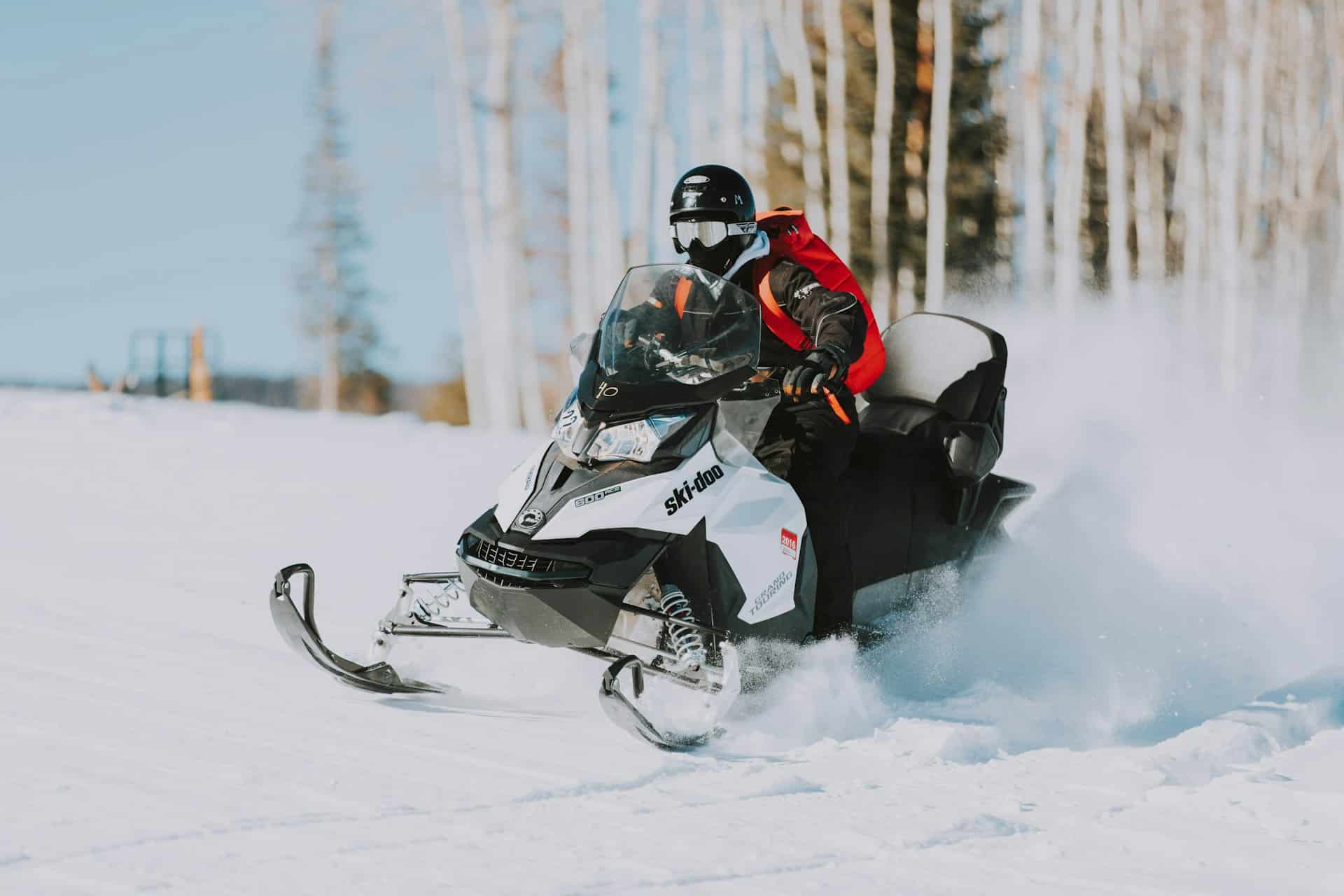
Snowmobiling is a popular winter activity across Ontario, offering a unique way to experience the province’s vast snowy landscapes. However, the thrill of the ride can quickly turn into a devastating personal injury incident. Snowmobile accidents often result in serious, life-altering injuries due to the speed and weight of the machines, as well as the unforgiving environments in which they are operated.
When a serious snowmobile accident occurs on an Ontario trail, frozen lake, or road shoulder, the legal landscape for seeking compensation is complex and nuanced. It draws upon several key pieces of provincial legislation, including the Motorized Snow Vehicles Act, the Insurance Act, the Occupiers’ Liability Act, and the principles of common law negligence. Understanding how these laws interact is essential for any client pursuing a personal injury claim.
The Foundational Law: The Motorized Snow Vehicles Act (MSVA)
The primary legislation governing the operation and use of snowmobiles in Ontario is the Motorized Snow Vehicles Act. This Act establishes the rules of the road, or, in this case, the rules of the trail, for snowmobile operators. Violations of the MSVA can form a key component in establishing a personal injury claim based on negligence.
Rules of Operation and Due Care
The MSVA mandates specific requirements for operators, including:
- Licensing and Registration: Operators must carry a driver’s licence or a Motorized Snow Vehicle Operator’s Licence, and the vehicle must be registered and display a permit, unless operated solely on the owner’s private property.
- Safety Equipment: Helmets are mandatory for both the driver and any passenger on a snowmobile or any towed vehicle, with limited exceptions, such as on private property.
- Operating on Highways: Snowmobiles are generally prohibited on the travelled portion of a highway but may operate on the shoulder or, in some circumstances, directly cross a highway, subject to strict speed and right-of-way rules. Local municipalities may also enact bylaws governing the use of roads within their jurisdiction.
- The Careless Operation Offence: Section 15 of the MSVA makes it an offence to drive a motorized snow vehicle “without due care and attention or without reasonable consideration for other persons.” This standard of care mirrors the concept of negligence in a civil lawsuit and is often central to determining fault.
Owner’s Vicarious Liability
A critical provision of the MSVA addresses liability. It makes the owner of a motorized snow vehicle jointly and severally liable for any loss or damage caused by a driver operating the vehicle with the owner’s consent. This is a crucial feature for victims, as it allows them to pursue a claim against a potentially better-insured party, the owner, in addition to the negligent operator.
Snowmobiles and Insurance: The Role of the Insurance Act
Despite being “off-road” vehicles, snowmobiles operated off the owner’s private property are, in most situations, treated similarly to automobiles under the Insurance Act (based on use, location, and policy wording). This classification has two significant implications for accident victims: access to no-fault benefits and the requirements for a tort claim.
Access to Statutory Accident Benefits (SABS)
In Ontario, individuals injured in a snowmobile accident, regardless of who was at fault, are generally entitled to claim no-fault Statutory Accident Benefits (SABS) from their own automobile insurance policy, the policy covering the snowmobile, or the policy of a host vehicle if the snowmobile is considered a “motor vehicle” under the Insurance Act for the purpose of the accident.
SABS provides coverage for:
- Medical and Rehabilitation Expenses: Funds for necessary treatment, including therapy, medication, and assistive devices.
- Income Replacement Benefits: Weekly payments for lost income if the injured person meets the legislative criteria.
- Attendant Care Benefits: Payments for assistance with personal care.
The complexity lies in determining the priority of payment, the classification of the severity of the accident (e.g. minor injury, non-catastrophic, and catastrophic) and whether the snowmobile meets the definition of an “automobile” for the purposes of the Insurance Act and the SABS in the specific context of the incident.
The Tort Claim and the Threshold
If a person’s injuries were caused by the negligence of another party, e.g., a careless operator, a negligent trail manager, they may file a tort claim against the at-fault individual or entity.
However, similar to car accidents, the victim must first satisfy the legal threshold set out in the Insurance Act to claim non-pecuniary general damages, pain and suffering. The injury must be a “permanent serious impairment of an important physical, mental or psychological function.” This threshold does not apply to claims for economic losses, such as past and future loss of income and future cost of care.
Determining Fault: Negligence on the Trail or Road
A successful personal injury claim against another party hinges on proving that their negligence caused the accident. This requires establishing that the defendant owed the victim a duty of care, breached that duty by acting carelessly, and that the breach directly caused foreseeable harm.
Operator Negligence
The most common basis for a claim is the negligent operation of the snowmobile. Examples of operator negligence include:
- Excessive Speed: Driving too fast for the conditions, whether on a trail, a frozen lake, or a road crossing.
- Impaired Operation: Operating a snowmobile under the influence of alcohol or drugs, which is strictly prohibited under the Criminal Code and the MSVA.
- Inattentive or Reckless Driving: Failing to keep a proper lookout, driving on the wrong side of a trail, or attempting dangerous manoeuvres.
- Unsafe Passing: As established in case law like Dolby v. McWhirter, being struck from the rear by an overtaking snowmobile is not an “obvious or necessary risk normal to the sport,” and an overtaking driver may be found liable.
Contributory Negligence
In some cases, the injured person may have contributed to their own injuries, e.g., by speeding, riding without a helmet, or failing to keep a proper lookout. Under the Negligence Act, a court will apportion fault between the parties, and the injured person’s total recoverable damages will be reduced by their percentage of fault.
Liability for Unsafe Trails: The Occupiers’ Liability Act
Many snowmobile accidents occur on managed trails, often maintained by snowmobile clubs, municipalities, or private landowners. This brings the Occupiers’ Liability Act into play. This Act sets out the standard of care owed by an “occupier,” the person or entity in possession or control of the premises, to visitors.
The General Duty of Care
Under Section 3(1) of the Occupiers’ Liability Act, the general duty is to “take such care as in all the circumstances of the case is reasonable to see that persons entering on the premises… are reasonably safe while on the premises.”
In the context of a snowmobile trail, this may require an occupier to maintain the trail free of hidden hazards, provide adequate warning signs for known dangers, or close trails that are unsafe due to weather or natural conditions.
The Lower Standard for Recreational Trails
However, the Occupiers’ Liability Act provides significant protection for occupiers in section 4, which creates a lower standard of care in specific circumstances, notably for recreational trails where no fee is paid.
If a snowmobile trail is reasonably marked and the entry is for a recreational activity for which no fee is paid, other than a payment to a non-profit association or government agency, the visitor is deemed to have willingly assumed all risks. In such a case, the occupier’s duty is drastically reduced to only a duty “to not create a danger with the deliberate intent of doing harm or damage to the person… and to not act with reckless disregard of the presence of the person.”
This lower standard means a trail occupier is generally not liable for injuries caused by natural or inherent dangers of the environment, such as uneven terrain or natural obstacles. However, if the occupier’s actions create a hidden or concealed danger, a “trap,” or if they fail to address a known hazard with “reckless disregard” for the safety of users, liability may still be established.
Damages in a Snowmobile Accident Claim
If negligence is proven and the injured person meets the Insurance Act threshold for non-pecuniary damages, they may be entitled to various forms of compensation, damages, through the tort claim. These are intended to restore the injured person to the position they would have been in had the accident not occurred, to the extent that money can achieve this.
Pecuniary Damages (Monetary Losses)
These are damages that can be calculated and include:
- Past and Future Loss of Income: Compensation for earnings lost due to the injury and the loss of earning capacity in the future.
- Future Cost of Care: The cost of all necessary future care, including medical treatment, rehabilitation, attendant care, home modifications, and assistive devices, not covered by SABS or other funding sources.
- Out-of-Pocket Expenses: Expenses incurred as a direct result of the accident, such as prescription costs, therapy not covered by SABS, and travel to medical appointments.
Nonpecuniary General Damages (Pain and Suffering)
This category compensates the victim for the physical pain, suffering, loss of enjoyment of life, and loss of amenities caused by the injury. As noted, this is subject to the Insurance Act threshold and is also capped by a limit set by the Supreme Court of Canada, which is adjusted annually for inflation.
Family Law Act Claim
The family members of a seriously injured person may also be entitled to compensation under the Family Law Act for their own losses, such as loss of care, guidance, and companionship, as well as for the costs they incur in visiting or caring for the injured person.
Navigating the Legal Timeline and Procedure
Following a snowmobile accident, several critical legal and procedural deadlines must be met to protect the right to compensation.
- Accident Reporting: Section 13(1) of the MSVA requires any person in charge of a snowmobile involved in an accident resulting in personal injury or property damage apparently exceeding $400 to report the accident “forthwith” to the nearest police officer.
- Notice to Insurer: The injured person must notify their own automobile insurer or the insurer responsible for providing SABS of the accident within a short period, typically seven days, and submit a formal application for SABS within 30 days of receiving the forms.
- Tort Claim Limitation Period: Generally, an action for personal injury damages against the negligent party must be commenced within two years of the date the claim was discovered, typically the date of the accident, pursuant to the Limitations Act. However, the limitation period can be much shorter for claims against a municipality or other governmental entity, often requiring notice of the claim within a very short timeframe.
The confluence of the MSVA, the Insurance Act, and the Occupiers’ Liability Act means that a snowmobile accident claim is highly technical. A careful and prompt investigation is necessary to determine the correct parties to file a claim, the appropriate standard of care, and the available avenues for compensation.
Experienced Snowmobile Accident Lawyers Helping You Secure Your Right to Compensation
If you or a loved one has suffered serious injury due to a snowmobile accident, professional legal guidance from the experienced personal injury lawyers at Tierney Stauffer LLP is essential. Our team assists clients in Ottawa, Kingston, Cornwall, and North Bay. We can ensure that every aspect of your claim, from securing maximum Statutory Accident Benefits (SABS) to meeting the rigorous non-pecuniary threshold in the tort system, is handled effectively and efficiently. Call us at 1-888-799-8057 or contact us online to schedule a complimentary consultation.