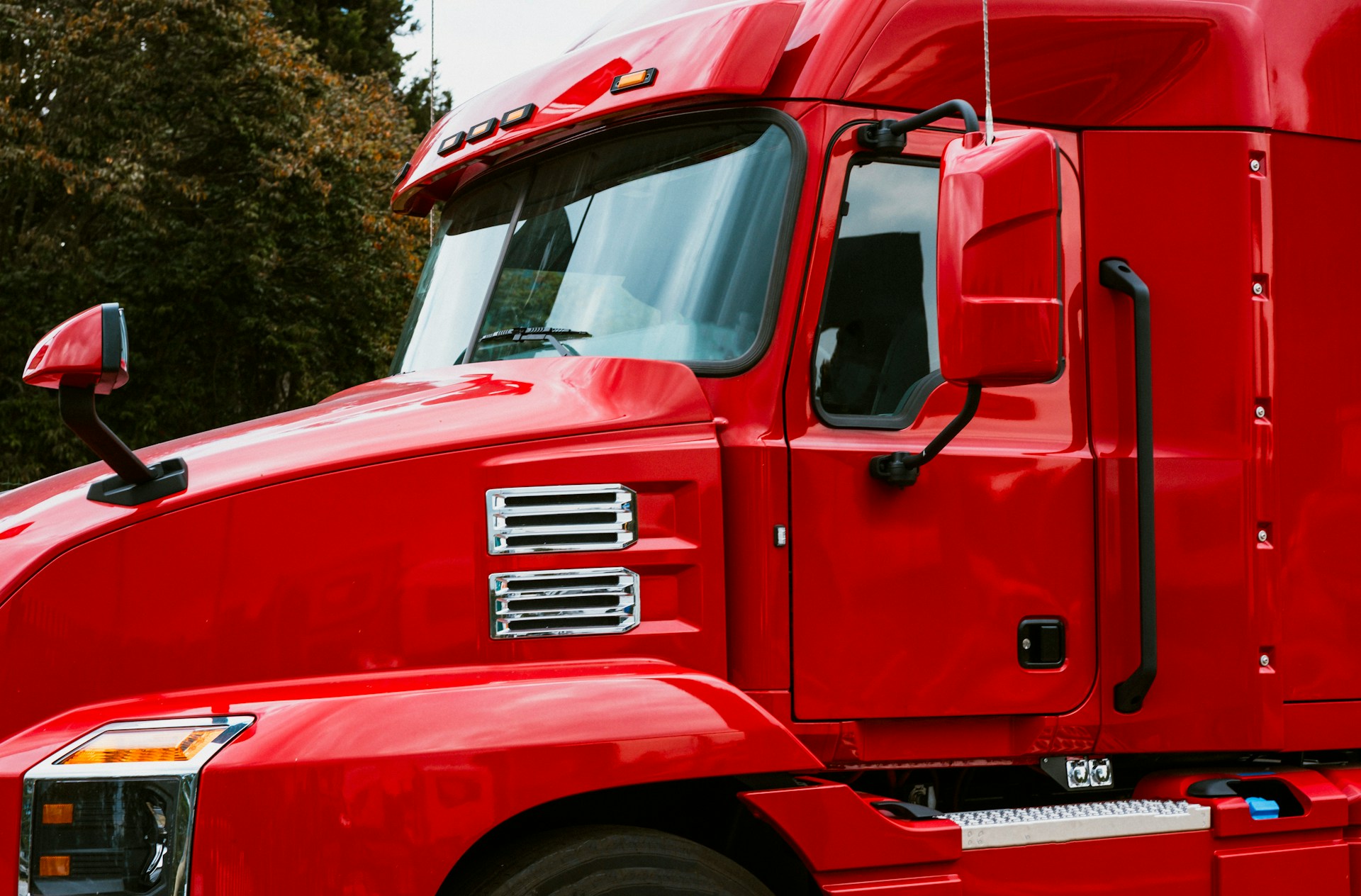
Motor vehicle accidents involving commercial trucks, transport vehicles, and delivery fleets are fundamentally different from collisions between private passenger vehicles. The size, weight, and operational regulations governing commercial vehicles often result in more severe injuries and more complex litigation.
In Ontario, commercial vehicle accident claims frequently involve corporate defendants, layered insurance coverage, federal and provincial regulatory frameworks, and extensive documentary evidence. For injured individuals, understanding these differences is critical.
What Is Considered a Commercial Vehicle?
Commercial vehicles in Ontario include transport trucks, tractor-trailers, dump trucks, construction vehicles, buses, delivery vans, and company fleet vehicles used for business purposes.
These vehicles are regulated under Ontario’s Highway Traffic Act and, in some cases, federal safety regulations. Additional oversight may apply through commercial vehicle operator registration (CVOR) requirements and safety standards.
Unlike ordinary drivers, commercial operators are subject to stricter inspection requirements, maintenance standards, and record-keeping obligations. Those regulatory obligations often become central in litigation.
Why Commercial Vehicle Accidents Tend to Be More Serious
Transport trucks and other large commercial vehicles can weigh up to 40 times more than a passenger car. The force of impact in a collision is correspondingly greater.
As a result, these accidents frequently cause:
- Traumatic brain injuries
- Spinal cord injuries
- Multiple fractures
- Catastrophic impairment
- Fatalities
Ontario’s auto insurance regime provides access to Statutory Accident Benefits regardless of fault. However, in serious injury cases, the right to pursue a tort claim for damages becomes essential.
Where injuries meet the threshold for “serious and permanent impairment” under the Insurance Act, victims may pursue damages for pain and suffering, income loss, and future care costs. In catastrophic cases, damages can be substantial.
Corporate Liability and Vicarious Responsibility
In many commercial vehicle cases, the driver is not the only defendant. Employers are often vicariously liable for the negligent acts of their employees committed in the course of employment. This means that if a truck driver causes a collision while performing job duties, the trucking company may also be legally responsible.
However, the analysis can become more complex when:
- The driver is an independent contractor;
- The vehicle is leased;
- Multiple companies are involved in logistics or dispatch; or
- The truck is owned by one entity and operated by another.
Determining who controls the driver, who owns the vehicle, and who is responsible for maintenance can significantly affect the claim. Early investigation is essential.
Regulatory Compliance as Evidence
Commercial drivers are subject to hours-of-service regulations designed to prevent fatigue. They must maintain driver logs, inspection records, and maintenance documentation.
In litigation, these records may reveal:
- Driver fatigue or violations of maximum driving hours;
- Inadequate vehicle maintenance;
- Brake or tire defects;
- Failure to conduct mandatory inspections; and
- Prior safety infractions.
Electronic logging devices (ELDs) are increasingly common. These systems record driving time and vehicle movement. In serious cases, black box data and GPS records may also be available.
Preserving this evidence is critical. Delays can result in the loss of electronic data or the destruction of documents.
Insurance Coverage and Policy Limits
Commercial vehicle policies typically carry higher liability limits than standard auto insurance. While Ontario law requires a minimum of $200,000 in third-party liability coverage, most personal automobile policies provide $1 million or more in coverage. By contrast, commercial trucking policies often carry limits of $2 million or more, particularly for long-haul or higher-risk operations where greater exposure necessitates enhanced protection.
In catastrophic injury cases, higher policy limits are essential to ensure adequate compensation. However, coverage disputes can arise. Insurers may argue that the driver was operating outside the scope of employment, that policy exclusions apply, or that coverage limits differ depending on circumstances. These disputes can complicate litigation and delay resolution.
Multiple Defendants and Apportionment of Fault
Commercial vehicle collisions often involve multiple potentially liable parties.
For example:
- The truck driver;
- The trucking company;
- A maintenance contractor;
- A freight broker; or
- A manufacturer if mechanical failure contributed.
Ontario’s negligence law allows fault to be apportioned among multiple defendants. Identifying all responsible parties increases the likelihood of full recovery. Complex accidents frequently require accident reconstruction experts, mechanical engineers, and vocational experts to establish liability and quantify damages.
Catastrophic Impairment and Long-Term Claims
Because commercial vehicle accidents often cause severe injuries, catastrophic impairment determinations under Ontario’s auto insurance regime and long-term disability policies are common.
A finding of catastrophic impairment under the Statutory Accident Benefits Schedule (SABS) significantly increases available medical and rehabilitation funding.
For tort claims, catastrophic injuries also affect damages for future care, income loss, and loss of competitive advantage in the workforce. These cases can involve millions of dollars in future care costs and lost earning capacity. Proper medical documentation and expert evidence are crucial.
Contributory Negligence and Defence Tactics
Defendants and insurers frequently argue contributory negligence. They may allege that the injured party was speeding, failed to yield, or contributed in some way to the collision.
In commercial vehicle cases, defence strategies may include:
- Arguing that road conditions were the primary cause;
- Suggesting unavoidable mechanical failure;
- Minimizing injury severity; or
- Challenging causation between the collision and long-term symptoms.
In traumatic brain injury or psychological injury cases, insurers may assert that symptoms are exaggerated or unrelated. Thorough medical evidence and accident reconstruction analysis are key to countering these arguments.
Limitation Periods and Notice Requirements
In Ontario, the general limitation period for personal injury claims is two years from the date of loss under the Limitations Act. However, certain circumstances may alter timelines. If a municipal vehicle is involved, greatly shortened notice requirements may apply under separate legislation. Claims involving federal carriers may also raise jurisdictional considerations. Delaying legal consultation can jeopardize a claim.
Settlement vs. Trial in Commercial Vehicle Cases
Because of higher damages exposure and corporate defendants, commercial vehicle claims often involve aggressive defence strategies. Early low settlement offers are common. Insurers may attempt to resolve claims before long-term medical consequences are fully understood.
Serious injury claims should not be settled prematurely. Long-term impairments — particularly brain injuries, chronic pain, and psychological trauma — may not be fully apparent in the first year following a collision.
Litigation timelines can extend for several years, especially in catastrophic cases that require expert evidence and complex financial calculations. Strategic patience can materially affect recovery.
Why Legal Representation Matters More in Commercial Vehicle Cases
Commercial carriers and trucking companies typically retain experienced defence counsel immediately after a collision. Evidence preservation and corporate risk management begin early. Injured individuals should have equivalent representation.
Commercial vehicle cases require:
- Immediate investigation;
- Preservation of electronic data;
- Identification of all corporate entities involved;
- Detailed insurance review;
- Engagement of accident reconstruction and medical experts.
Without a proactive legal strategy, critical evidence may be lost.
Tierney Stauffer LLP: Ottawa Personal Injury Lawyers Providing Experienced Representation in Commercial Vehicle Accident Claims
If you or a family member has been injured in an accident involving a commercial truck, transport vehicle, or company fleet vehicle, legal advice is essential. At Tierney Stauffer LLP, our personal injury lawyers represent victims of serious commercial vehicle collisions across the province. We investigate corporate liability, preserve critical evidence, and pursue full compensation for catastrophic and long-term injuries.
Contact us online or call 1-888-799-8057 to book a confidential consultation to understand your rights and options.