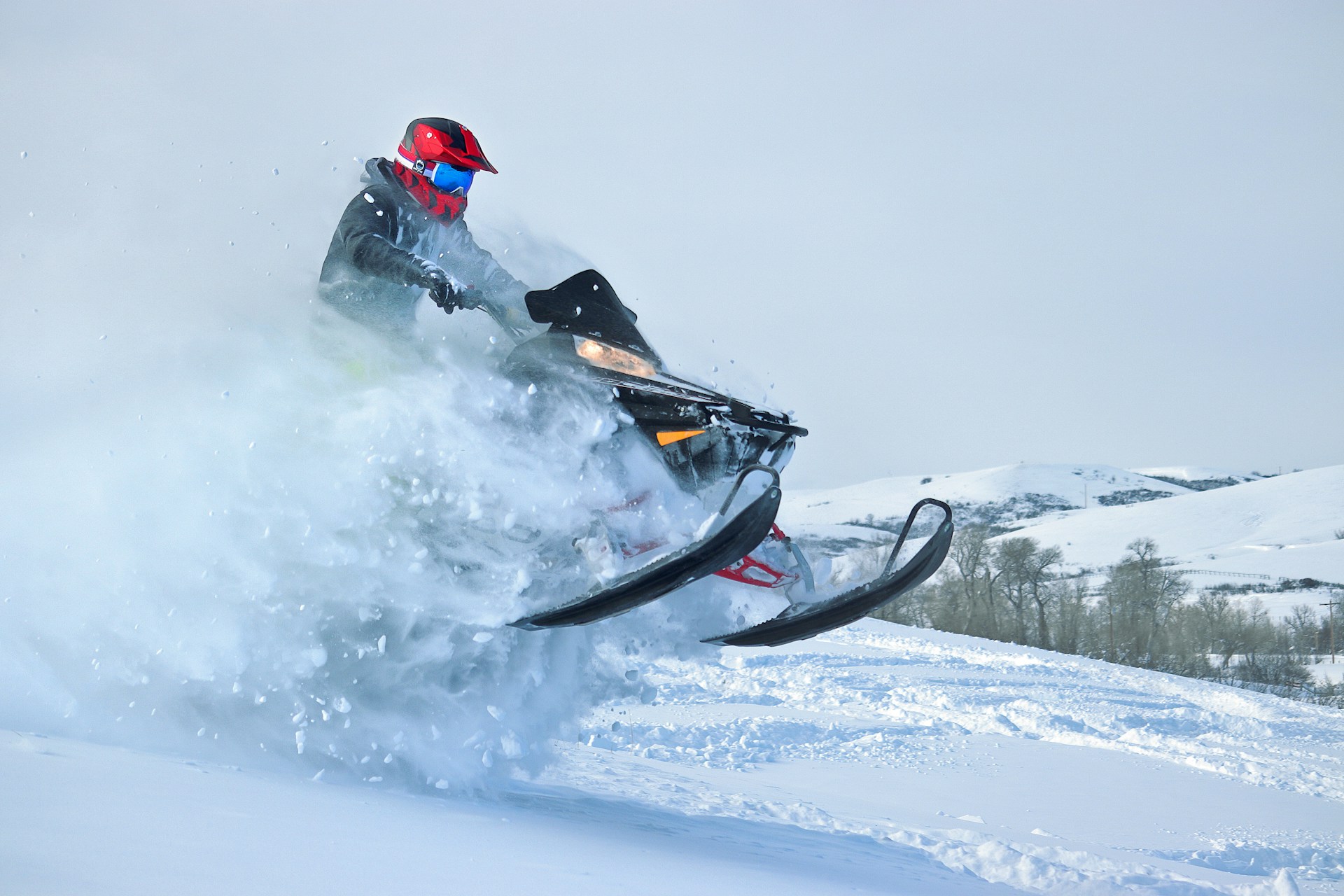
Snowmobiling is a popular winter activity across Ontario. From recreational trails maintained by the Ontario Federation of Snowmobile Clubs to private rural properties and northern backcountry routes, thousands of riders take to the trails every year. While snowmobiling can be an enjoyable and community-oriented pastime, it also carries significant risks.
When a snowmobile collision occurs, the consequences are often severe. Riders are exposed to the elements, travel at high speeds, and may encounter uneven terrain, ice-covered waterways, or other vehicles. Injuries can be life-altering, and families are frequently left with urgent questions about medical care, insurance coverage, and legal rights.
This FAQ provides an overview of snowmobile accident injuries in Ontario and explains the legal options available to injured riders and their families.
How Common Are Snowmobile Accidents in Ontario?
Ontario has one of the largest organized snowmobile trail systems in North America. With that popularity comes risk. Each winter, emergency services respond to numerous snowmobile collisions involving single-vehicle crashes, rider ejections, collisions with other snowmobiles, and impacts with fixed objects such as trees or fences.
Many accidents occur due to:
- Excessive speed
- Alcohol or drug impairment
- Inexperience
- Poor visibility or weather conditions
- Mechanical failure
- Collisions at trail intersections or roadway crossings
While some accidents result in minor injuries, many involve fractures, spinal cord injuries, traumatic brain injuries, and fatalities.
What Are the Most Common Snowmobile Accident Injuries?
Snowmobile accidents often result in serious physical trauma because riders are not enclosed in a protective vehicle cabin. Even when wearing protective gear, the force of impact can be substantial.
Traumatic Brain Injuries
Despite helmet use being mandatory in Ontario, riders can still suffer concussions and more severe traumatic brain injuries (TBIs). A TBI may cause persistent headaches, cognitive impairment, memory loss, personality changes, and long-term disability.
In severe cases, individuals may require extensive rehabilitation, occupational therapy, and long-term support.
Spinal Cord Injuries
High-speed collisions frequently lead to spinal cord damage. These injuries may result in chronic pain, nerve damage, partial paralysis, or complete paralysis. The financial and emotional toll of spinal cord injuries is significant, often requiring lifelong care.
Orthopedic Injuries
Broken arms, legs, ribs, and collarbones are common in snowmobile crashes. Fractures can require surgery, internal fixation, and lengthy recovery periods. Even when bones heal, individuals may experience chronic pain or reduced mobility.
Internal Injuries
Blunt force trauma may cause internal bleeding, organ damage, or collapsed lungs. These injuries can be life-threatening and may not be immediately apparent at the scene of the accident.
Psychological Injuries
In addition to physical harm, snowmobile accidents can result in psychological trauma, including anxiety, depression, and post-traumatic stress disorder (PTSD). These conditions can significantly impair quality of life and work capacity.
What Should I Do Immediately After a Snowmobile Accident?
The steps taken immediately after an accident can affect both health outcomes and legal rights.
First, seek medical attention. Even if injuries appear minor, it is essential to be assessed by a healthcare professional. Some injuries worsen over time.
Second, report the accident. Depending on the circumstances, the collision may need to be reported to the police or local authorities.
Third, document the scene if possible. Photographs of the trail conditions, vehicles involved, visible injuries, and any contributing hazards can be substantial evidence.
Finally, consult a personal injury lawyer as soon as reasonably possible. Early legal advice can help preserve evidence and ensure compliance with insurance deadlines.
Does Snowmobile Insurance Cover My Injuries?
Yes, in most cases. Snowmobiles in Ontario must be insured. Standard snowmobile insurance policies typically include third-party liability coverage and Statutory Accident Benefits.
What Are Statutory Accident Benefits?
Under Ontario’s auto insurance regime, individuals injured in snowmobile accidents may be entitled to accident benefits. These benefits can provide compensation for:
- Medical and rehabilitation expenses
- Attendant care
- Income replacement benefits
- Non-earner benefits
- Caregiver benefits
- Housekeeping and home maintenance
- Funeral and death benefits
Accident benefits are available regardless of who caused the collision, subject to eligibility criteria.
Can I Sue for a Snowmobile Accident in Ontario?
In some cases, yes. While accident benefits provide essential support, they are limited. If another party’s negligence caused or contributed to the collision, an injured person may be entitled to pursue a tort claim (lawsuit) for additional damages.
Potential defendants may include:
- Another snowmobile operator
- A property owner
- A manufacturer (in cases of defective equipment)
- An event organizer
A successful lawsuit may provide compensation for pain and suffering, future income loss, and other damages not fully covered by accident benefits.
How Is Fault Determined in Snowmobile Collisions?
Fault in snowmobile cases is determined based on negligence principles. A court will consider whether a party failed to exercise reasonable care in the circumstances.
For example, operating a snowmobile while impaired by alcohol or drugs may constitute negligence. Failing to maintain control, disregarding posted trail signs, or travelling at unsafe speeds may also support a finding of liability.
In some cases, liability may be shared. Ontario follows a system of contributory negligence, meaning damages can be reduced if the injured person is found partially responsible for the accident.
What If the Accident Occurred on a Designated Trail?
Many snowmobile trails are maintained by local clubs. Trail permits are required for access.
Liability in trail accidents can be complex. Occupiers’ liability principles may apply under Ontario’s Occupiers’ Liability Act. However, the standard of care may differ depending on whether the trail is considered a recreational property and whether fees were paid.
In some situations, liability waivers or statutory protections may limit claims against trail operators. A detailed legal review is required to assess potential claims.
What If the At-Fault Rider Was Uninsured or Underinsured?
If the at-fault snowmobile operator does not have sufficient insurance coverage, other options may be available.
Ontario policies typically include uninsured automobile coverage. This may allow injured individuals to recover damages even if the responsible party lacks adequate insurance.
Determining available coverage often requires a careful review of multiple insurance policies, including household automobile policies.
What Damages Can I Recover in a Snowmobile Accident Lawsuit?
Compensation in a successful snowmobile injury claim may include:
- Pain and suffering damages
- Past and future income loss
- Loss of earning capacity
- Medical and rehabilitation costs
- Attendant care expenses
- Out-of-pocket expenses
- Loss of housekeeping capacity
In fatal cases, surviving family members may bring claims under Ontario’s Family Law Act for loss of care, guidance, and companionship.
Is There a Time Limit to Bring a Claim?
Yes. In Ontario, most personal injury claims are subject to a two-year limitation period from the date of the accident.
There are also strict deadlines for providing notice to insurers and for submitting accident benefits applications. Missing these deadlines can jeopardize a claim.
Because limitation issues can be complex, individuals should seek legal advice promptly after a snowmobile accident.
How Are Catastrophic Injuries Treated?
Ontario’s insurance framework distinguishes between catastrophic and non-catastrophic injuries. A catastrophic impairment designation can significantly increase the amount of medical and rehabilitation benefits available.
Catastrophic injuries may include:
- Severe traumatic brain injuries
- Paraplegia or quadriplegia
- Amputations
- Certain combinations of impairments
Obtaining a catastrophic designation often requires detailed medical evidence and insurer assessments. Legal representation can be crucial in disputed cases.
What If a Child Is Injured in a Snowmobile Accident?
Children injured in snowmobile collisions may be entitled to accident benefits and may also have the right to pursue a lawsuit through a litigation guardian.
Settlements involving minors require court approval to ensure the outcome is in the child’s best interests. Funds are often held in trust until the child reaches the age of majority.
How Long Does a Snowmobile Injury Claim Take?
The duration of a claim depends on the severity of the injuries, the complexity of liability issues, and whether the matter resolves through settlement or proceeds to trial.
Minor injury claims may resolve within a couple of years. Severe injury cases often take longer because it is vital to understand the long-term prognosis before finalizing a settlement.
What If the Accident Resulted in a Fatality?
Fatal snowmobile accidents are devastating. Surviving spouses, children, parents, and siblings may be entitled to compensation.
Claims may include:
- Funeral expenses
- Loss of financial support
- Loss of care, guidance, and companionship
In addition, the deceased person’s estate may advance certain claims that the individual could have pursued had they survived.
Wrongful death cases require sensitivity, thorough investigation, and experienced advocacy.
Contact Tierney Stauffer LLP To Protect Your Rights After a Snowmobile Accident
Snowmobile accident injuries can change your life in an instant. Medical bills, lost income, rehabilitation needs, and emotional trauma can quickly become overwhelming. Insurance companies may minimize the value of your claim or dispute the severity of your injuries.
The personal injury lawyers at Tierney Stauffer LLP are based in Ottawa, Cornwall, North Bay, and Kingston, and have extensive experience representing individuals injured in snowmobile accidents across the province. We will review your case, explain your rights, and pursue the full compensation you are entitled to under Ontario law. Contact our firm today for a confidential consultation by reaching out online or by calling 1-888-799-8057.